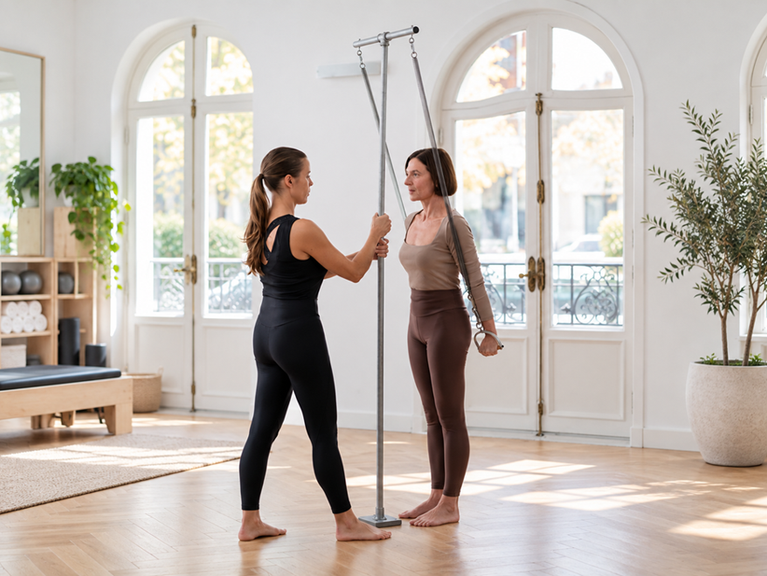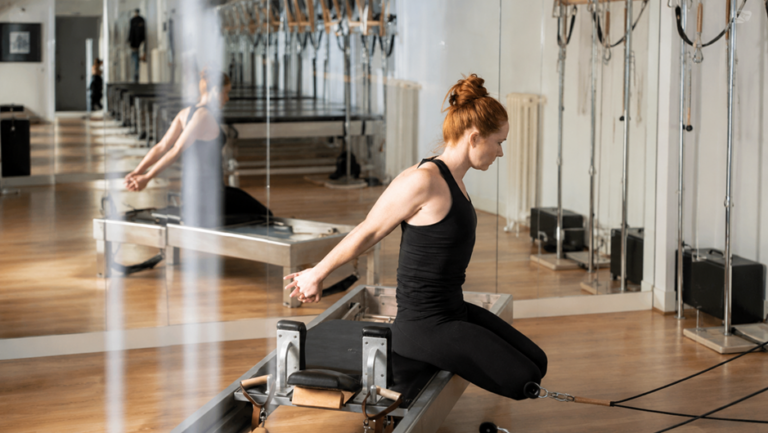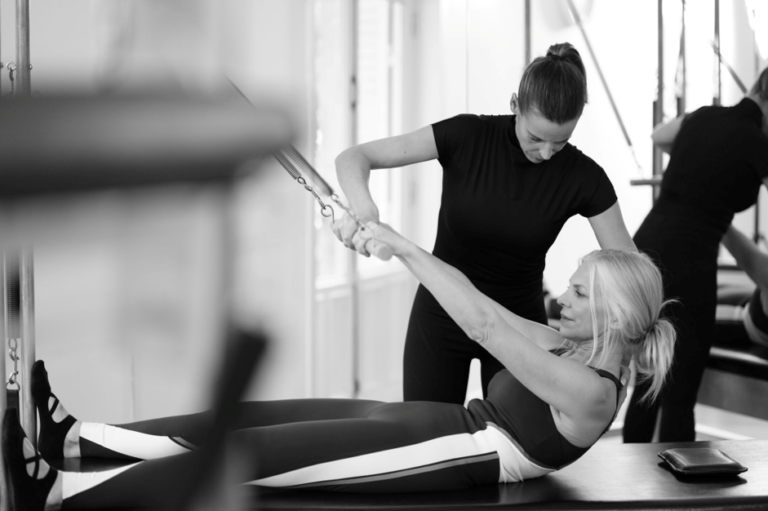
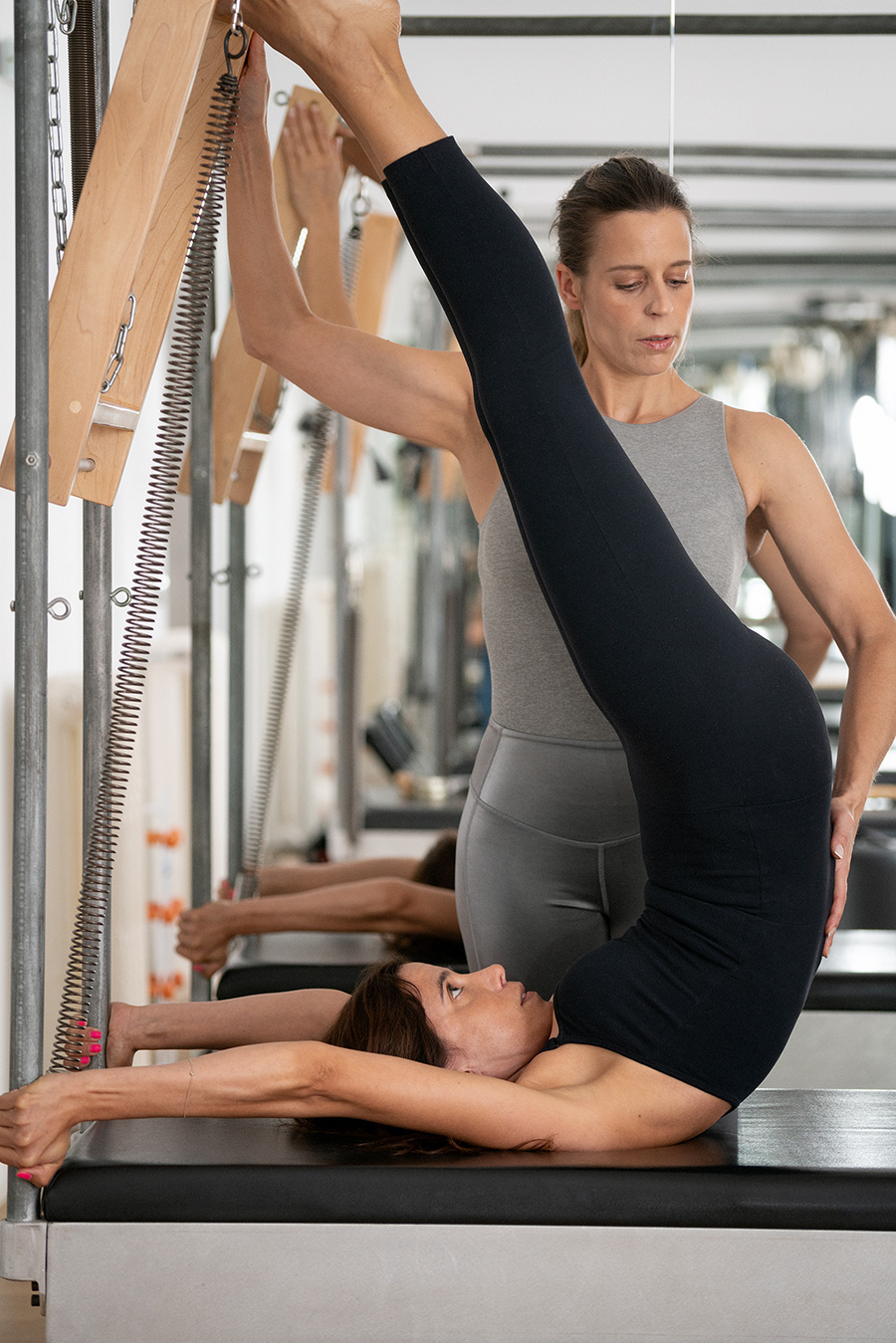
Pilates is a discipline that focuses on strengthening the body in a balanced way, and one of its greatest benefits is that it helps to improve flexibility. Through controlled movements, stretching and the use of apparatus, Pilates works the entire muscle chain, making the body more flexible and resilient. This discipline not only aims to build muscle strength, but also elasticity, which is crucial for correct and healthy movement.
What is the relationship between Pilates and flexibility?
Flexibility is the ability to stretch muscles and improve their adaptability. In Pilates, the muscles work in chains, which means that while one muscle group performs a movement, the opposite group resists it, which not only provides control and fluidity, but also lengthens and strengthens the muscles. Thanks to this technique, flexibility and strength are worked in a balanced way, without creating asymmetries or joint misalignments. In addition, Pilates allows you to work on the elasticity of shortened muscles as well as those that are weaker, avoiding tensions that can compress vertebrae or cause pain.
Benefits of Pilates on flexibility
The regular practice of Pilates has numerous benefits on flexibility, among which are the following:
- Improving overall mobilityBy lengthening and strengthening the muscles, a greater range of motion is achieved, making it easier to perform everyday activities as well as other sports.
- Reduction of muscle stiffnessPilates helps to prevent muscles from becoming stiff, thus helping to prevent injuries.
- Body postureFlexibility and alignment of the body, which improves posture and relieves tension in areas such as the back and neck.
- Reduced risk of injuryStretching and strengthening muscles in a balanced way reduces the risk of injury.
4 tips to increase your flexibility
- Practice regularlyFlexibility develops over time, so it is important to be consistent. Do Pilates sessions at least two or three times a week.
- Listen to your bodyIt is essential not to force the stretches. Move progressively and breathe deeply to accompany the movements.
- Incorporate stretching exercisesIn addition to Pilates classes, you can include additional stretches for areas that feel tight, such as hamstrings or lower back.
- Maintain good postureCorrect posture is key to avoiding tension and improving flexibility, both in Pilates classes and in your daily life.
Frequently asked questions
Are flexibility and elasticity the same thing?
Not exactly. Elasticity refers to the ability of muscles to lengthen and then return to their original position, while flexibility involves the body's ability to move through a full range of motion. Pilates works on both qualities, improving the elasticity of the muscles and the overall flexibility of the body.
Can we practice Pilates without flexibility?
Of course! You don't need to be flexible to start practising Pilates. In fact, one of the advantages of this discipline is that it progressively improves flexibility. The exercises are adapted to each level, allowing each person to work within their possibilities and to progress without forcing the body.
In summary, Pilates is an excellent choice for improving flexibility in a safe and effective way. Through exercises that combine control, strength and elasticity, this discipline allows muscles to lengthen and strengthen, promoting a more agile and tension-free body. If you're looking for a way to improve your flexibility and balance your body, the Pilates classes in Madrid are an ideal choice to start you on your way to better physical health and well-being.
Tell us what you thought of this article, please rate it (1 TO 5 STARS).