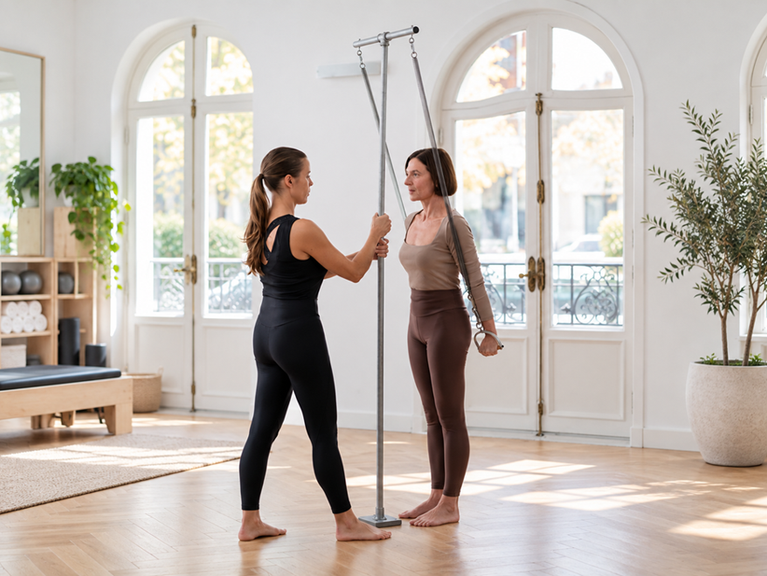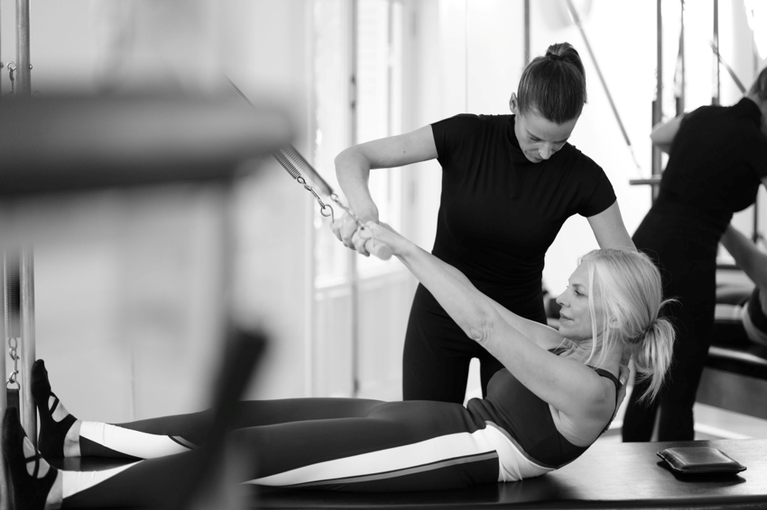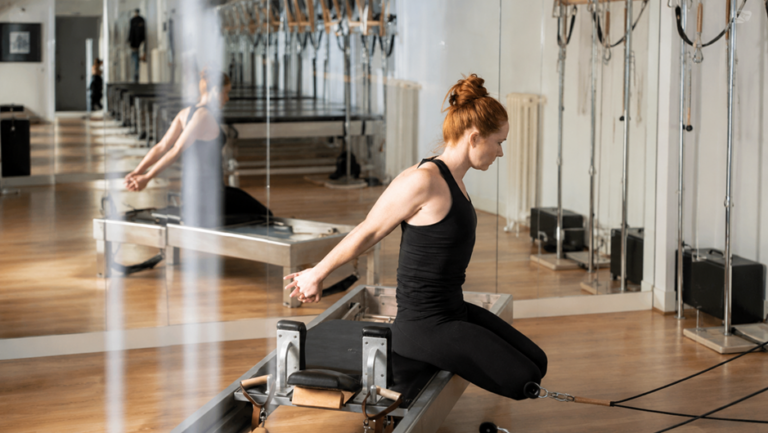

Pelvic Floor. Pilates & Physiotherapy to the rescue
This week we tell you how from Elite Pilates we can help you to treat and prevent different pathologies related to the pelvic floor.
The pelvic floor is a vital but often underestimated structure in our body. Composed of a set of muscles, ligaments and connective tissues, it plays a vital role in supporting the pelvic organs and controlling urinary and faecal function. However, many people suffer from pelvic floor weakness or dysfunction, which can lead to a range of health problems. Pilates and physiotherapy have emerged as effective approaches to treat and prevent various pathologies, thus improving people's quality of life. The Pilates method, developed by Joseph H. Pilates in the early 20th century, focuses on strengthening the core of the body, including the deep abdominal muscles and the pelvic floor muscles. Its exercises are based on concentration, alignment, control, fluidity and breathing, making it an ideal choice for improving the strength of these muscles.
Here are 4 cases in which the Pilates method and physiotherapy are effective.
- Iurinary incontinence: Stress incontinence is the inability to control the voluntary release of urine. It can be stress incontinence (loss of urine when performing physically or when laughing, coughing or sneezing), urge incontinence (sudden and uncontrollable urge to urinate) or mixed incontinence (combination of both types). Although the causes can vary, one of the main factors is a weakening of the pelvic floor muscles. By strengthening the pelvic muscles through Pilates exercises, the symptoms of urinary incontinence can be reduced or even eliminated. In pelvic floor physiotherapy, techniques such as the Kegel exercises, the biofeedback and electrical stimulation to strengthen muscles, improve body awareness and teach bladder control strategies.
- Pelvic prolapse. A condition in which the pelvic organs, such as the bladder, uterus or rectum, are displaced from their normal position and descend into the vagina. This condition can cause significant discomfort, such as a feeling of pressure or heaviness in the pelvis, difficulty emptying the bladder or rectum, and even protrusion of the organs out of the vagina. With Pilates exercises, correcting posture and properly aligning the pelvis and spine reduces pressure on the pelvic organs and provides greater support to prevent worsening. In terms of physiotherapy, specific exercises to strengthen weakened muscles, advice on lifestyle modifications and the use of supportive devices such as vaginal pessaries are helpful.
- Chronic pelvic pain. It is defined as persistent pain in the pelvic region, lasting at least six months. It may be associated with endometriosis, pelvic floor disorders, pelvic adhesions or pudendal nerve dysfunction. Symptoms can range from dull, nagging pain to episodes of acute, disabling pain, which can affect daily life and sexual function. Pilates emphasises diaphragmatic and conscious breathing and by improving breathing control can reduce symptoms. In addition, pelvic floor physiotherapy uses different techniques, such as myofascial release, relaxation training, manual therapy and stretching, to reduce muscle tension and relieve pain.
- Postpartum: The pregnancy puts significant pressure on the pelvic floor, which can lead to pelvic floor problems After childbirth, a woman's body needs time to recover and strengthen. Pilates provides an effective approach to restoring strength and stability to the energy centre, which speeds postpartum recovery.
In conclusion, the Pilates method and pelvic floor physiotherapy plays an essential role in the treatment of various pathologies that can help strengthen weakened muscles, recover function, relieve pain and improve quality of life. If you suffer from any pelvic floor related pathology, call us and consult us. We will be happy to help you. Tel. 91 4357838. 628 887552. info@elitepilates.net
Tell us what you thought of this article, please rate it (1 TO 5 STARS).