
The geriatric physiotherapy is a speciality that works on the prevention, diagnosis and treatment of pathologies in the elderly. It is essential when treating dysfunctions derived from ageing and working on the functional rehabilitation of the elderly.
But it is not only indicated for those suffering from pathologies, but also as a preventive method that helps to maintain a good general state of health, improve mobility, guarantee autonomy and prevent falls or accidents involving serious trauma that can develop complications at this stage of life.
Ageing processes reduce the efficiency of the body's systems, so throughout life it is important to work on the physical qualities of each individual to their maximum capacity.
Physiotherapy for the elderly will help, at this stage, to prevent ailments, maintain and improve mobility.
What is Physiotherapy for the Elderly?
Physiotherapy sessions for the elderly usually focus on the patient's condition as a whole, reintegrating the treatment in a global way and taking into account the psychological, social, physical and biological changes that are characteristic of this stage, and are not usually dedicated only to the treatment of an ailment or pathology.
We will aim to guarantee the greatest possible autonomy, with a focus on improving quality of life.
At this stage of life, preventive physiotherapy takes on greater importance by focusing on improving physical qualities, such as strength or balance, to reduce the risk of falls or accidents that may lead to fractures or injuries requiring slower and more complicated rehabilitation.
In addition, physiotherapy for the elderly offers an alternative that helps to prevent the onset of pathologies or slow the progress of their evolution, if any, without having to rely on drugs on a chronic basis.
It is very common, and occurs more frequently, ailments, above all, of the locomotor system, which can lead to a loss of functionality and dependence. In this aspect, physiotherapy will be applied through various treatments and specific tools both in the cabin with manual therapy and in the gym or at home, using accessories such as elastic bands or dumbbells.
Re-education of the patient, as well as collaboration and coordination with the patient's immediate environment, are essential.
Benefits of Physiotherapy in the Elderly
With geriatric physiotherapy, including exercise training, we achieve a large number of benefits.
- Improves musculoskeletal pain and discomfort
- It increases muscle strength, joint stability and, of course, balance and coordination, improving reaction speed and helping to reduce the incidence of bone fractures and falls.
- Improved joint agility, flexibility and mobility, which over the years can decrease by as much as 40% and interfere with activities such as combing your hair, putting on your socks or getting in and out of a car.
- Improves overall functionality and postural control, increasing the ability to perform everyday tasks.
- Increased respiratory capacity and oxygenation which, at this stage of life, is diminished with the onset of fatigue in activities of daily living.
- It improves the functioning of the circulatory system, activating blood flow and thus favouring the supply of nutrients to the tissues, preventing cardiovascular pathologies.
- It prevents or delays the onset of osteoporosis, which makes bones more susceptible to fractures, by promoting the generation of bone tissue.
- Prevents sarcopenia or loss of muscle mass and the onset of atrophy.
- Improves pelvic floor control, especially in women, preventing the onset of urinary incontinence.
- It promotes cerebral oxygenation, and thus cognitive functioning, attention and memory.
- Maintains independence and autonomy: for the performance of daily tasks in everyday life.
We will not only achieve physical benefits, but also psychological ones:
- It improves cognitive function, with exercises and strategies where concentration and memory play an important role.
- Combats stress and anxiety.
- It improves the quality of sleep, rest, mood and thus general well-being.
- It boosts self-esteem and makes them more confident and self-assured to maintain their activity and perform tasks.
Types of Physiotherapy Treatments for the Elderly.
- Manual therapyFocused on restoring and improving the functionality of body structures. Mobility, massage or soft tissue relaxation techniques are used.
- Strengthening exercisesAdapted to the elderly and their abilities, the aim of which is to maintain mobility.
- Balance and proprioception rehabilitation. The loss of balance and perception of our body in relation to space is common in older people, so physiotherapy helps to maintain these two qualities.
- Moderate-intensity aerobic exerciseThe use of exercise such as walking, stationary cycling or swimming will improve endurance and improve cardiovascular health.
- Neurological rehabilitationFor situations where there has been a stroke, cerebrovascular accident, or with degenerative diseases such as Alzheimer's or Parkinson's disease.
- Hydrotherapy or aquatic therapyusing the properties of water to exercise and improve physical qualities.
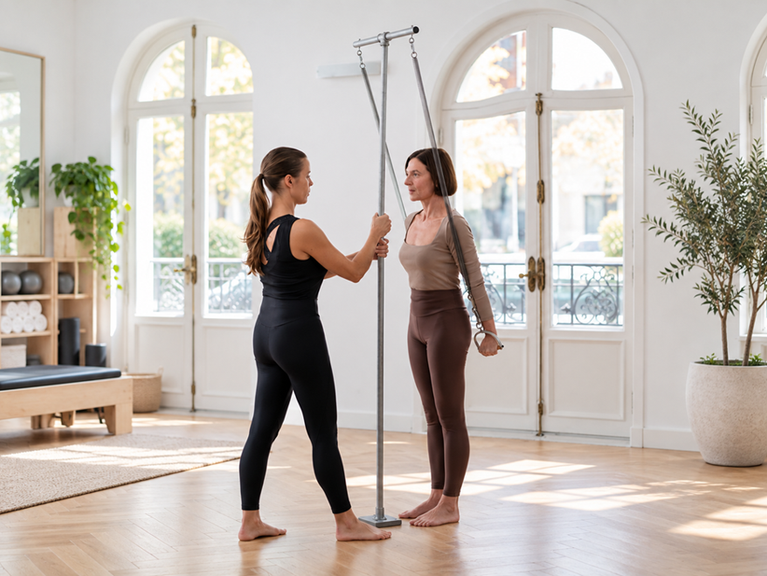
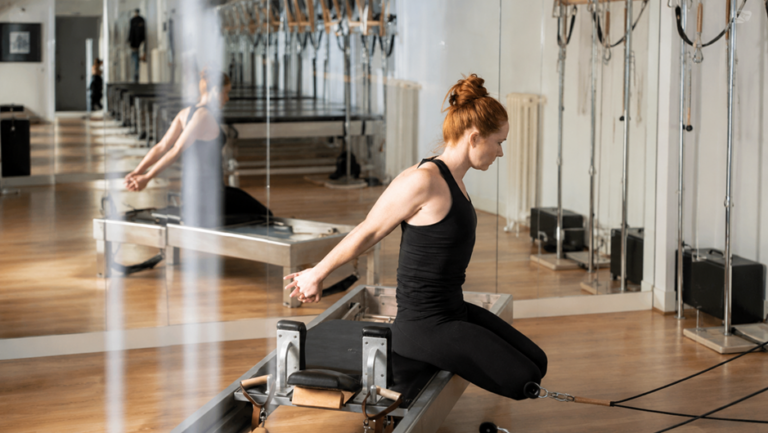
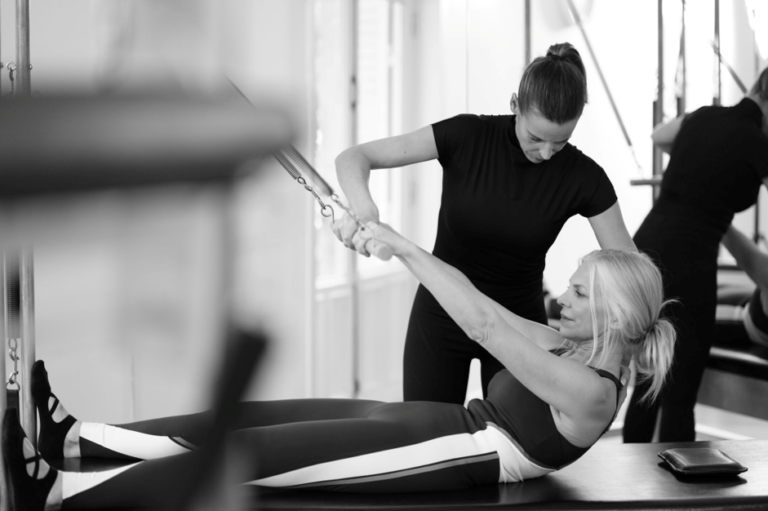
- Pilates MethodIdeal for older people, with a high capacity for adaptation and modification according to the general state, contributing to well-being, alleviating and preventing ailments, seeking dynamic movement, muscular strength and endurance, increasing respiratory capacity or activating blood circulation.
There are also cryotherapy, electrotherapy and thermotherapy techniques, which are used to solve or alleviate different circulation problems or musculoskeletal pain, reducing inflammation and oedemas, reducing pain, regenerating tissues or stimulating and strengthening the musculature.
Manual Physiotherapy
With manual therapy it is possible to significantly improve the quality of life of older people while maintaining their functionality and well-being.
Helps reduce joint stiffness, improve mobility, improve circulation and relieve pain.
This therapy can include massage, stretching, and gentle passive or assisted or even resisted joint mobilisation.
Techniques such as:
- Gentle massage: Helps to improve circulation and reduce muscle tension.
- Joint mobility exercises: Passively, the physiotherapist will be in charge of mobilising the joints, preventing stiffness and helping to maintain or increase the range of motion in the joints.
- Assisted stretching: to maintain flexibility and prevent muscle shortening, improving physical function and performance.
- Breathing techniques: Relaxing structures involved in breathing such as the diaphragm and intercostal muscles, which are important for improving oxygenation and increasing lung capacity.
If there are ailments or injuries to be treated, including surgeries, manual therapy is a very effective tool to speed up the recovery process. By improving circulation and reducing inflammation, these techniques help tissues repair more quickly.
Strengthening Exercises
Strengthening exercises for older adults help to strengthen and increase muscle mass, increase bone density, and improve physical function by facilitating movement in older adults.
- Lifting light weights (1-3 kg) or using elastic resistance bands will help strengthen shoulders, arms, back or legs.
- Weight-bearing exercises, For example, wall push-ups or squats will help strengthen your leg muscles and improve your balance.
- On a stretcher, we can use the Kabat Method, This technique uses certain movement patterns and works on muscle strengthening and the stretching of muscle chains through proprioceptive work, increasing joint amplitude, taking care of and restoring coordination and body balance.
Aquatic Therapy
With this type of therapy we take advantage of a lower gravitational force and a suitable temperature to relax muscles, relieve pain and improve mobility.
We will use the level of depth in the water depending on how we want to work to remove the force of gravity and increase buoyancy, thus reducing the load and pressure on the joints.
One of the properties of water is to provide resistance, which is also beneficial when doing functional exercises in the pool to strengthen the muscles.
Exercises such as walking in water, jumping, running, or exercises using floats, weights, weights will build strength, endurance, balance, coordination, posture and core strength.
Warm water is also a good way to stretch, increasing flexibility, increasing joint range and relaxing the muscles, thus preventing further injury.
Pilates Method
The Pilates method is a discipline of moderate intensity and low impact, which makes it a very effective conditioning workout for older people. There are very few contraindications or limitations to be taken into account when practising the Pilates method, as it adapts perfectly to the needs of each person and benefits this age group exponentially.
The Pilates class consists of gentle, controlled, non-impact exercises that help to strengthen the muscles that support the joints, thus improving stability and mobility. It also cushions and distributes the loads supported by these joints very well, thus reducing pain.
One of the fundamental principles of the method is to work from the energy centre, where our centre of gravity is located. Starting from this area, and working on muscular strength and the correct alignment of the joints, we will achieve the necessary balance, guaranteeing safety in movement, walking and activities of daily living, which will reduce the risk of falling.
By strengthening the muscles of the spine, bone density will be greater, reducing the incidence of vertebral fractures.
Prevention of Injuries and Falls in the Elderly
Falls are the main cause of injury in older people, especially among women. That is why continuous physical activity, strong legs and improved balance are important to prevent them.
It is necessary to analyse risk factors that may favour falls, such as balance, gait or visual acuity, as well as other extrinsic factors such as suitable footwear or the type of clothing that does not get in the way or the external environment. In the home, we should take into account the furniture, lighting or the height of the bed, as well as avoiding objects and obstacles on the floor such as carpets or cables. It is good to consider the use of technical aids, such as bed rails, bath handles, shower chairs or toilet lifts.
We must also take into account, in order to educate by attending to body functionality from physiotherapy for the elderly, some things to be able to take preventive measures outside the home, such as being attentive to the state of the streets, narrow or too high pavements or access to public transport, which can be frequent causes of injuries and falls.
Balance and coordination exercises play an important role in this respect. Exercises such as walking sideways, walking forward as if on a tightrope, or alternately lifting one leg in the air will increase stability, improve posture and prevent the risk of falling.
How to Choose a Physiotherapist for the Elderly
Physiotherapists are health professionals with a specific qualification that provides them with the necessary skills to carry out the different physiotherapy techniques focused on elderly patients due to their common and typical characteristics of this stage, also attending to injuries, accidents and operations that they may possibly have.
The physiotherapist is an invaluable health figure to know what type of patient he/she is dealing with. Before acting, he/she will observe and assess their characteristics and limitations in order to establish a physiotherapeutic diagnosis taking into account aspects that may be important and, if necessary, refer them to specialist professionals in other fields, due to the origin of the ailments, choice of treatment and different recommendations.
A physiotherapist should be consulted if we begin to notice changes in autonomy, if there are difficulties in carrying out basic daily activities, if there are problems of instability when standing or if there have already been one or more episodes of falls.
Qualifications and Experience
Physiotherapists are professionals who are aware that movement is fundamental at any stage of life, but they also know that it is at this stage that most mobility disorders occur. For this reason, they use their knowledge to promote exercise and physical activity in the elderly, as well as using therapeutic techniques to treat those disorders that may be affecting mobility.
To this end, they will be able to:
- Conduct a review of the patient's clinical conditions, such as chronic diseases, prescribed medication, and history of injuries and surgeries.
- Establish a pain assessment.
- Carry out a functional assessment to establish the level of independence with strength, balance, flexibility and mobility tests.
Perform gait assessment with specific tests to identify incorrect or fall risk patterns.
Customised approach
Physiotherapy sessions for older people are not usually dedicated only to the treatment of an ailment or pathology. Given the characteristics of these people, these objective programmes take into account the patient's general condition as a whole.
The physiotherapist will carry out a complete assessment of your condition and medical history. From there, a plan of exercises will be made, complemented with stretcher therapy, with the aim of seeking recovery and improvement of the patient's functionality and maintenance.
It is necessary that each session and exercise is specifically adapted to the physical, mental and functional state of the person according to their capacity, their limitations, allowing them to improve their qualities by seeking correct body alignment, good posture and functional quality. Always performing exercises that do not generate discomfort and are adapted to the level and physical and mental condition.
The supervision of the physiotherapist is essential, especially in activities involving balance and strength exercises where dumbbells or elastic bands are used to adapt the load and pressure level, controlling posture and movements.
Tell us what you thought of this article, please rate it (1 TO 5 STARS).