Tendonitis is one of the most common pathologies of the shoulder joint. It affects the rotator cuff tendons, which are responsible for stabilising the shoulder joint. For various reasons they can become inflamed, especially the tendon of the supraspinatus muscle, causing pain, limitation of movement, inability to rest at night and preventing the development of daily activity.
Physiotherapy will help to restore tissue integrity, function and proper joint mobility by eliminating the pain caused by the injury.
What is shoulder tendinitis?
The rotator cuff of the shoulder is made up of several muscles that provide stability. If any one is affected, it will become inflamed, causing pain and affecting the function of the shoulder as a whole.
The tendon of the damaged muscle will progress from inflammation to degeneration and may rupture if not treated in time, causing severe pain and disabling movement.
Age and degeneration of the tendons, poor posture, repetitive shoulder movements, excessive loads in training or at work, lack of warm-up before sporting activity and stretching at the end of training, and/or weakness of the core, back, neck and shoulder muscles are risk factors for tendinitis at some point in time.
What are its symptoms?
In tendinitis, inflammatory pain is the main symptom. In the initial stages it is usually mild, both in movement and at rest, or sudden when the arm is raised above the head. It presents as a diffuse pain, difficult to localise at the fingertip, and is located in the anterolateral area of the shoulder.
As the problem progresses, there may be increasing pain at night and when the shoulder is carried behind the back. It also begins to decrease in strength and mobility, losing much of the functionality of the shoulder joint.
Most common causes of shoulder tendinitis
The most common cause is usually entrapment of the supraspinatus tendon as it passes through the subacromial space. This compression on the tendon leads to inflammation causing pain and limitation of movement of the arm above the shoulder along with loss of strength. If left untreated and unrelieved, the tendon will begin to degenerate into “tendinosis” which can eventually rupture.
This decrease in space is a consequence of other alterations in the biomechanics of the shoulder, such as:
Muscle overload due to sports practice.
- Having suffered a trauma or fall.
- Incorrect use of the shoulder joint with inadequate posture and execution of movements.
- An overload due to sustained positions or repeated movements due to daily tasks or work activities.
Occasionally, a person suffering from this pathology may also develop inflammation in the bursa, or even intratendinous calcification.
How can physiotherapy help shoulder tendinitis?
The physiotherapist will perform a visual and functional examination to help locate the dysfunction.
A medical diagnosis and complementary imaging tests such as ultrasound or magnetic resonance imaging are also recommended in order to know precisely the level of the lesion and the structures that are affected.
Physiotherapy allows:
- Restore the structure of the affected tissues.
- To reduce pain.
- Restore joint stability, functionality, proper tissue mobility and joint range.
Strengthening and reinforcing weakened muscles. - Reintegrate the functions of the affected joint into the body's overall functionality.
- Incorporating the activities of daily life that could not be carried out.
- Reintroduce the shoulder movement and the appropriate gesture in sports practice in the case of sportsmen and women.
- Prevent possible relapses and the development of other dysfunctions.
Recommended physiotherapy techniques
In the first phase, we will use techniques that help us to reduce pain, reduce inflammation and regenerate the damaged structure by increasing the blood flow in the area to be treated, also restructuring the function of the nervous system, with equipment such as analgesic and anti-inflammatory electrotherapy, INDIBA, ultrasound, and manual therapy with massage and dry needling with which we will relax tissues, inhibit tension points and normalise the muscle tone that is unbalanced and which causes the alteration in function.
Also working in the water (hydrotherapy with flotation material) or applying cold (cryokinetics) helps us to improve the movement and feel less pain.
The kinesiotaping technique will help to readjust the tension of the muscle chains, stabilise the area and increase the drainage of the injured structures.
After this, we will work on stability and mobility to prevent stiffness and widen the joint space without putting its structures at risk.
In the next phase, we will reintegrate the structures that have been injured with selective exercises that help to stabilise and balance the forces of support and mobility, starting to strengthen and enhance by re-educating the gestures of daily life or sports.
Recommended exercises for shoulder tendinitis
As a complement to stretcher therapy, it is necessary to perform exercises to re-educate the correct movement pattern of the shoulder, together with joint stability exercises in order to reintegrate it into the correct postural pattern of the rest of the trunk and neck.
The functional rehabilitation phase would involve a proprioception process at the scapular level allowing the coactivation of the muscles working in synergy to achieve a good mobility work of the whole shoulder complex while keeping the joint stable.
Exercises to relieve pain and gain mobility
A first phase would comprise exercises to relax muscles and widen joint space, with pendular movements.
Stretching exercises, to lengthen the muscles that are shortened and unbalanced due to shoulder dysfunction, and mobility exercises to avoid restriction and gain joint amplitude.
Muscle strengthening exercises
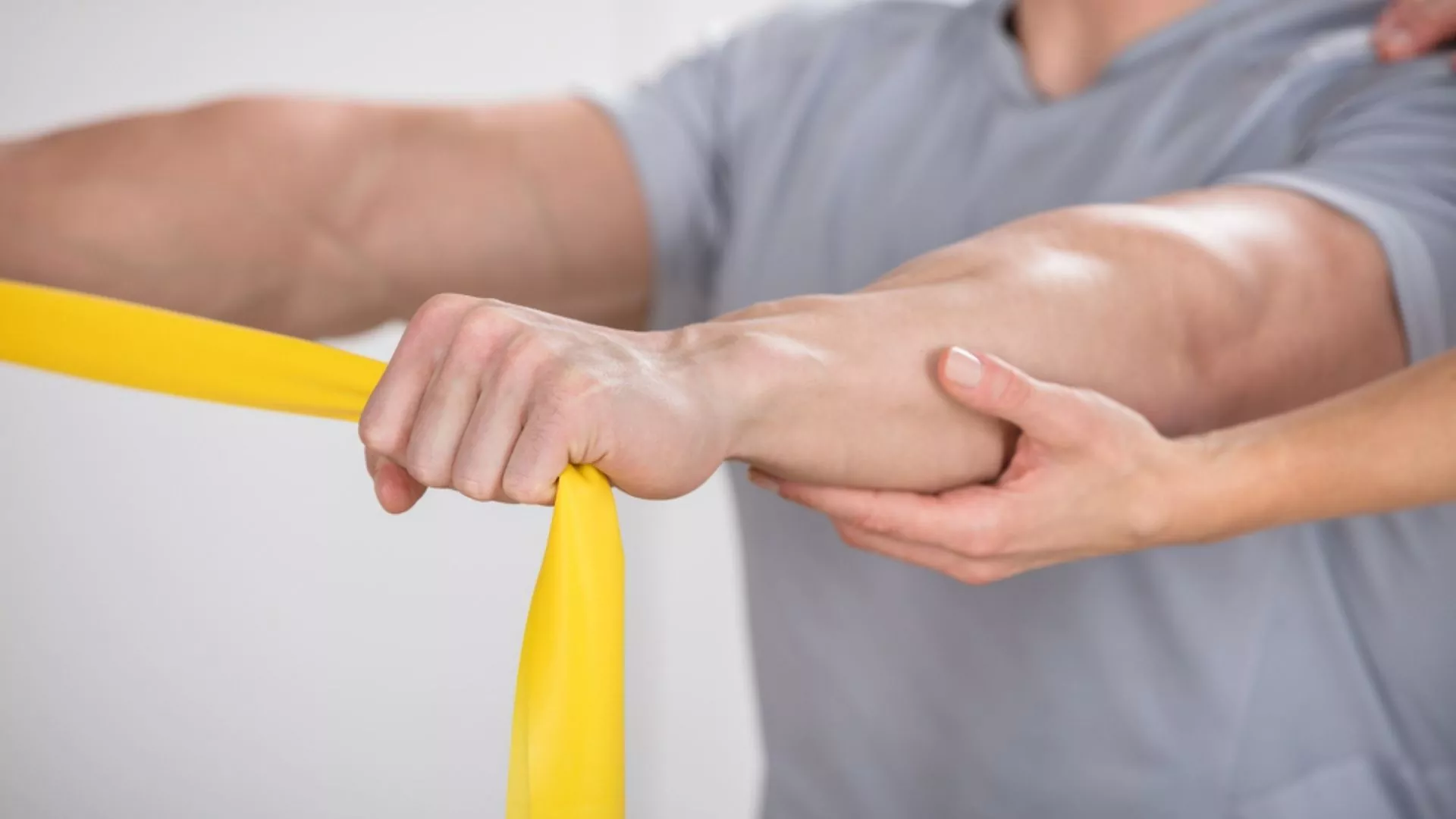
In the next phase, exercises will be performed to gain strength and power from any plane without losing the balance of the joint. This will be done using light resistance such as weights or the body's own weight, incorporating eccentric exercise, suspension training and elastic bands.
The objective will be to strengthen and tone the musculature that performs the actions of scapular stability and movement and shoulder abduction, rotations and flexion.
We will gradually work with more weight with different muscle actions and at all angles, so that the shoulder is able to move in any stable plane, with load and in an efficient and fluid manner.
How long does it take to recover from shoulder tendinitis?
Shoulder tendinitis, treated early, is usually resolved satisfactorily by physiotherapy treatment without the need for surgery. The duration will depend both on the extent and severity of the injury and on the patient's ability to adhere to treatment and perseverance.
Prevention of shoulder tendinitis
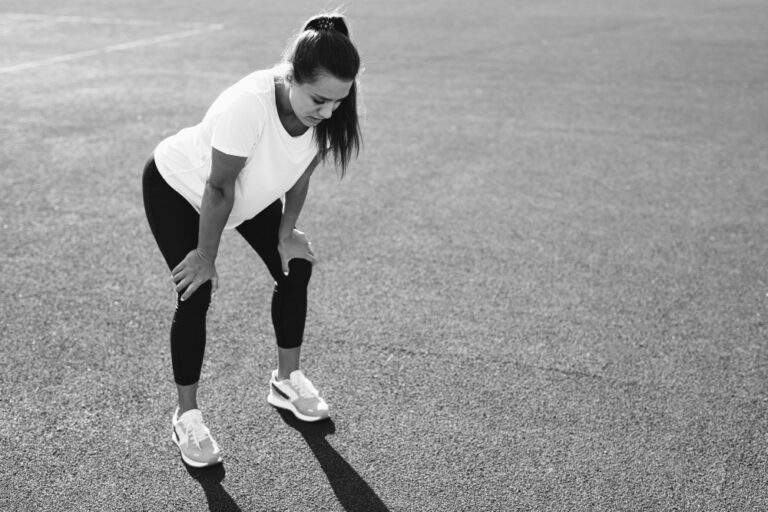
Good postural hygiene, regular and healthy physical activity, correct technique when performing repetitive shoulder movements at work as well as in sport, and taking breaks to avoid overloading the tendon will always help to prevent injuries.
Preventive work will be much more effective if we include a warm-up of the entire joint complex before physical activity, and incorporate stretching correctly to maintain proper joint mobility.
It is also important to associate lumbo-pelvic and core stability exercises with exercises that involve the injured shoulder joint. This is essential, as the more stable and stronger we are at a central level, the more efficient we will be at a peripheral level.
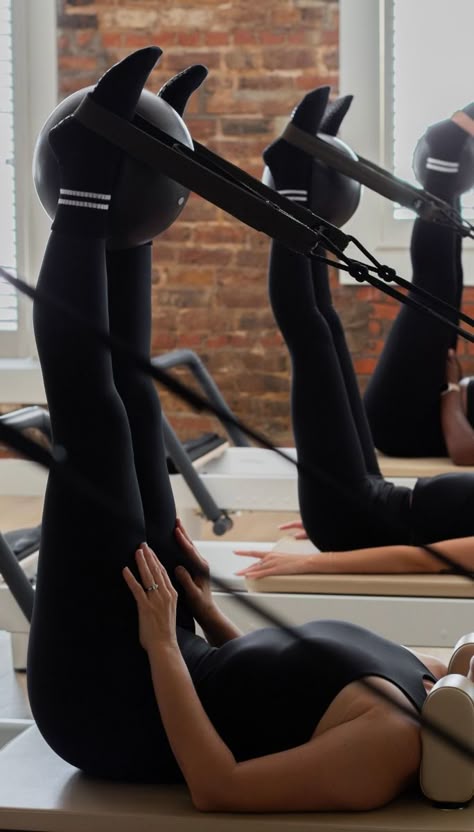
Activities such as the Pilates method help to carry out this global work with both more static exercises and dynamic exercises in which we involve the whole body along with the arms and even the legs.
When to consult a physiotherapist?
The physiotherapy sessions will be focused on both rehabilitation treatment and prevention. When there is overload or muscular decompensation at shoulder level, even if there is no discomfort, it is advisable to establish a routine of sessions from time to time that will allow us to prevent possible future pain or injuries.
It is important to go as soon as possible in the event of an established injury or loss of function, or if there is slight discomfort. The physiotherapist will establish an intervention plan that will help from the very beginning to prevent the injury from progressing and to achieve an efficient recovery.
Personalised treatment at our physiotherapy centre in Madrid
All the professionals who make up the centre's team are physiotherapists. In addition to the cabin therapy sessions, we offer private and individualised sessions of the Pilates method.
This method gives us the key to be able to exercise the injured shoulder from the first moment of the injury, with the possibility of making the necessary adaptations to improve without pain and reintegrate it into the function of the rest of the body, seeking the correct joint alignment and muscle stability, always under supervision and guidance.
In addition, thanks to the use of specific apparatus, its springs and straps will assist us and resist movement in search of the objectives to be treated, always taking into account the individual physical needs, age and other personal and medical circumstances of the person.
Tell us what you thought of this article, please rate it (1 TO 5 STARS).