
Osteoarthritis is a chronic disease that affects the joints. It appears, above all, with age, due to the degeneration and loss of the articular cartilage responsible for cushioning and preventing the bones that make up a joint from colliding.
Physiotherapy helps significantly in the management of this process, offering relief and functional improvement.
What is osteoarthritis?
It is a degenerative pathology where the cartilage covering the joints wears down and becomes thinner, causing the bones to rub against each other, causing pain, inflammation and stiffness. In addition, in the long term, it can lead to the appearance of osteophytes (bony protrusions), deforming the joint and potentially limiting mobility, causing disability and reducing quality of life.
The joints that most often suffer from osteoarthritis are those that bear a great deal of weight or are subject to significant strain, such as: hips, knees, fingers and toes, or the cervical and lumbar spine.
Most common symptoms of osteoarthritis
In addition to muscle contractures, instability and clicking, the most common symptom is pain. It can appear when we load the joint, due to inflammation in the surrounding tissues accumulating fluid or as a cause of synovitis, bursitis, or capsular distension. It is relieved with rest and worsens as the day goes on, and can even wake us up at night.
Over time, stiffness appears in the joint, very common when getting out of bed at the beginning of the day, making movement difficult, until the joint becomes functional. This can be so intense that it becomes difficult to carry out everyday tasks.
These symptoms are also accompanied by loss of muscle strength and the appearance of joint deformities. The bones grow anarchically, especially towards the sides, forming osteophytes, widening, deforming and misaligning the joint.
Main risk factors for osteoarthritis
- Old age, The presence of a genetic predisposition, especially from the age of 50 onwards, or genetic predisposition are important influencing factors.
- Obesity or excess weight, is one of the most important risk factors, especially for load-bearing joints due to the stress and wear to which they are subjected.
- Women between 50 and 55 years old, With the menopause, oestrogen levels in the body are reduced, increasing the tendency to suffer from osteoarthritis.
- Some physiological processes such as early menopause, hypertension, smoking, or secondary diseases such as diabetes, can lead to premature osteoarthritis.
- Trauma or micro-traumas due to intensive sport or repetitive professional activity.
- Instability or misalignment in the joints also lead to the development of osteoarthritis as they are conditioned in their position by increasing the friction of the joint surfaces.
How can physiotherapy help osteoarthritis?
Physiotherapy is one of the most effective disciplines to intervene in this pathology. Our objective as physiotherapists will be to slow down the progression of the disease by relieving pain, improving mobility and recovering functionality, preventing disability with the help of exercises to strengthen the muscles that support the joints and prevent joint deterioration, thus improving quality of life.
We will help with manual techniques and complementary appliances, combined with appropriate exercises and educating with correct postures and recommendations on a daily basis.
Pain relief and improved mobility
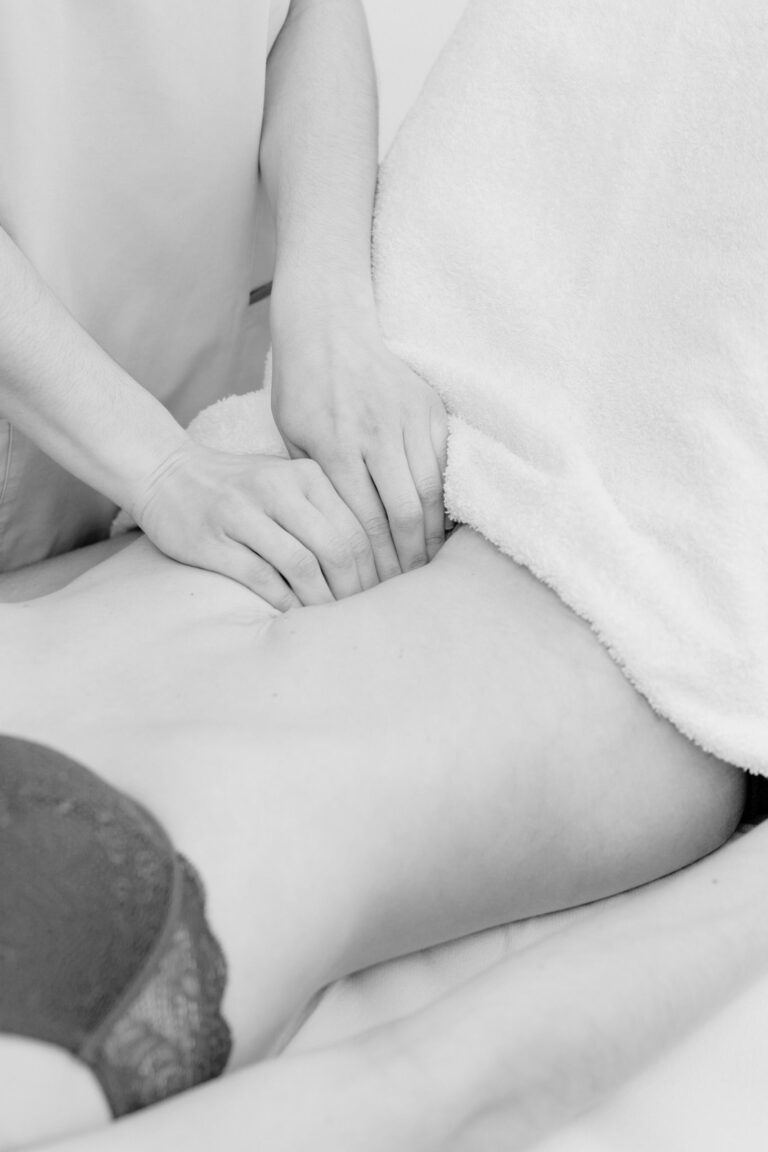
Manual techniques such as joint mobilisation and therapeutic massage will help to reduce pain and stiffness and improve blood and lymph circulation in the affected areas. It will also help to reduce crepitus and control possible joint blockages.
To reduce inflammation and pain we can resort to devices such as INDIBA, Magnet therapy, Electrotherapy, Ultrasound.
Prolonged immobilisation is not advisable as it would promote muscle atrophy and would lead to a more rapid progression of the disease.
Prevention of joint deterioration
If necessary, the first thing to consider would be to lose weight with a healthy diet as it is the biggest risk factor, and if this is achieved, we will slow down the progression and alleviate the symptoms.
It is also advisable to consider adaptations in the home, or the use of technical aids to reduce the burden and favour mobility, minimising limitations and promoting a more active life.
Recommended physiotherapy techniques for osteoarthritis
Physiotherapists employ a variety of techniques, including therapeutic exercises, manual techniques such as massage or joint mobilisations, and self-care education.
Therapeutic exercises
Therapeutic exercises are an essential part of treatment, designed to improve range of motion and strengthen the muscles surrounding the affected joints. These may include stretching, muscle strengthening, balance and coordination exercises. It has been shown that regular physical activity, tailored to the individual's abilities and limitations, can reduce symptoms such as stress and anxiety, improve balance and flexibility, and reduce the risk of falls.
Hydrotherapy is a technique that uses water to help in the treatment of osteoarthritis. The therapeutic exercises, in this case, are performed in a swimming pool, which reduces the load on the joints and improves mobility and flexibility by providing strength and endurance.
Electrotherapy and thermotherapy
The use of electric current in electrotherapy stimulates the muscles and soft tissues, improving blood circulation and cell regeneration and helping to reduce inflammation and pain. It also offers the possibility of working with electrostimulation to prevent atrophy and gain muscle tone.
The use of heat (thermotherapy), humerus heat and paraffin will help to relax muscles and increase blood circulation, reducing stiffness and promoting joint mobility.
When there are acute flare-ups of osteoarthritis we can use cold (cryotherapy) for short periods, which will relieve pain and inflammation.
Exercises for osteoarthritis recommended by physiotherapists
Physiotherapy can recommend a series of personalised exercises adapted to the needs of each patient to strengthen the muscles that stabilise the affected joint and mobilise stiff areas. We will be able to reduce the pain.
Low-impact aerobic activity such as walking, cycling or swimming is also ideal.
Joint range exercises
Controlled, non-impact movements act as a lubricant for the joints, as they promote the secretion of synovial fluid and help to eliminate inflammatory substances deposited in the joint cavity, thus gaining range of movement. In addition, stretching helps to balance the muscle chains, preventing shortening and stiffness.
Strengthening exercises
Using elastic bands, weights, weights or springs (Pilates method) to strengthen the muscles surrounding the affected joints, providing them with greater support and stability while reducing the pressure load on them. It will also reduce the risk of further injury.
Low-impact exercises such as swimming or cycling are also ideal for strengthening without increasing joint pressure.
Do you want to know more about how to relieve osteoarthritis? Find out about our treatments for physiotherapy in Madrid and at pilates.test/
How long does it take to see improvements with physiotherapy for osteoarthritis?
Currently, osteoarthritis has no cure and its treatment is aimed at reducing symptoms such as pain and improving functionality, and is intended to delay its progression and improve quality of life.
It is important to approach treatment from a multidisciplinary perspective, also depending on the stage and severity of the disease, and to assess intervention with physical, pharmacological and even surgical measures, if necessary.
The prognosis for each person varies depending on the joint affected, its limitations, the progression of the pathology and the patient's adherence to preventive treatment. It is true that with physiotherapy we will see changes from the first moment of treatment.
Prevention of osteoarthritis with physiotherapy
Prevention is key to slowing or stopping the progression of the disease. It is important to remain as active as possible throughout life, and also to take into account the following:
- Eat a healthy and balanced diet maintaining a healthy weight.
- Regular physical exercise, without overloading joints, according to age and physical condition. Avoiding impact sports.
- Avoid carrying too much weight and taking care of standing and sitting postures and overexertional gestures in work and daily activities.
When should you consult a physiotherapist for osteoarthritis?
It is important to start preventive treatment with physiotherapy at the first symptoms in order to avoid reaching a higher stage in a short time and to stop its development early, since in the long term, the functional limitation caused by osteoarthritis can increase sedentary lifestyles, putting health at risk and favouring the development of other diseases.
Personalised treatment in our physiotherapy centre
Each patient requires an assessment and a personalised treatment plan, taking into account their age, physical condition and the specific joints affected. At our centre we will carry out an assessment of each and every one of the aspects, ailments and needs that the person has in order to determine the best treatment and physiotherapy techniques for each case.
In our centre, as well as being physiotherapists, we are experts in the Pilates method, This is a very complete and efficient system, which rebalances and readjusts all the structures that are affected in an integral way with the rest of the body, making it work from its correct alignment, without putting pressure, impacts or excessive load.
Frequently asked questions on physiotherapy for osteoarthritis
What symptoms does physiotherapy relieve in osteoarthritis?
Physiotherapy is a great ally both in slowing its progression and in treating pain, inflammation and functional impotence, mainly through therapeutic exercise to safely strengthen the affected joints, improving mobility and preventing stiffness.
Can osteoarthritis be treated at home?
In this respect, it is advisable to follow the instructions of a physiotherapist, who will guide you in carrying out suitable exercises and give advice and guidelines for carrying out everyday tasks in a way that does not overstrain the affected joints.
How long does physiotherapy treatment for osteoarthritis last?
Osteoarthritis is a chronic pathology, so we can say that physiotherapy treatment will be focused on improving the symptomatology, thus reducing the consumption of analgesics and anti-inflammatory drugs, and even delaying or avoiding surgical procedures.
Tell us what you thought of this article, please rate it (1 TO 5 STARS).