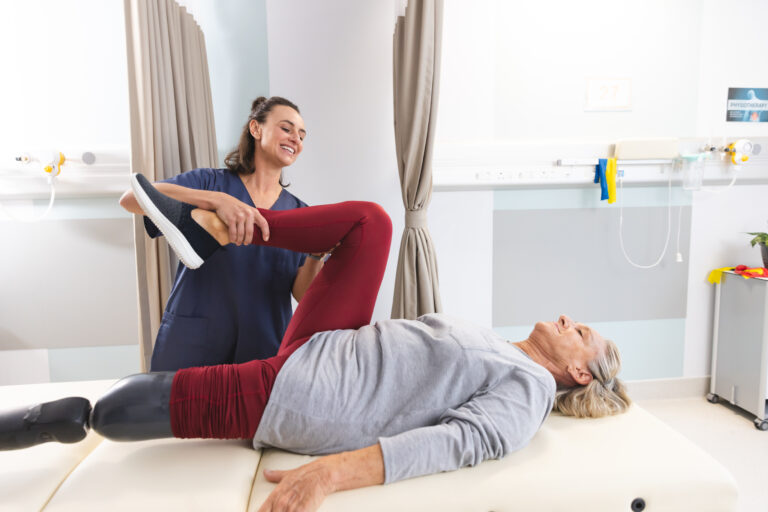
The physiotherapy allows us to cover many clinical fields of action, one of which is sport, whether amateur, elite or high performance.
In this area, the physiotherapist will use different techniques aiming at rehabilitation and prevention of injuries, and will be attentive to any discomfort that may arise from poor technique or an incorrect movement by the athlete. Athletes are continually subjected to efforts involving repetitive movements, impact, changes of direction, jumps, sprints, forced joint range of motion, or muscular shortening.
To have knowledge of the technique and execution of each sport is important for re-educate the sporting gesture As the injury is resolved and reintegrated into the body's overall function. For an athlete to achieve complete rehabilitation, it is essential to reach this advanced stage where their physical and technical capacity must be recovered to achieve optimal performance.
The physiotherapist will work by assessing and enhancing the necessary physical qualities that need to be optimised to improve the quality of the athlete's execution and general condition safely.
I am unable to provide the answer to your request.
A sports injury is considered to be damage that occurs during competition or training, which causes a drop in activity or leads to a reduction in training load over two or more consecutive sessions.
The most frequent injuries tend to be:
- MuscularMuscle contractures, trigger points, muscle tears or strains due to bad movements, changes of direction, jumps (football, basketball...)
- TendonsRotator cuff tendinitis/tendinosis, epicondylitis (tennis elbow), patellar or Achilles tendinitis (handball), or iliotibial band syndrome (running).
- Ligamentousstrains, ankle or knee sprains, or complete or partial tears, for example, of the anterior cruciate ligament in the knee (skiing)
- JointsMeniscal tears, chondromalacia patellae
- HoseaClavicle fractures (rugby) or stress fractures (dancers)
It is important to see a physiotherapist as soon as possible to treat the injury early on, to establish a correct intervention plan, taking into account the tissue recovery phase and its inflammatory cascade, and thus to avoid long-term complications or new injuries.
What physiotherapy treatment approaches can be adopted?
In the sporting field, the physiotherapist will establish a set of operating criteria before, during, and after sporting activity in order to recover, prevent, or treat the athlete's health and well-being.
By means of various techniques and methods, Physiotherapy techniques for injuries will be involved in training and/or competition, advising and adapting the body to their demands and working on appropriate technique, preventing injuries or potential accidents, reducing risk factors and shortening recovery time.
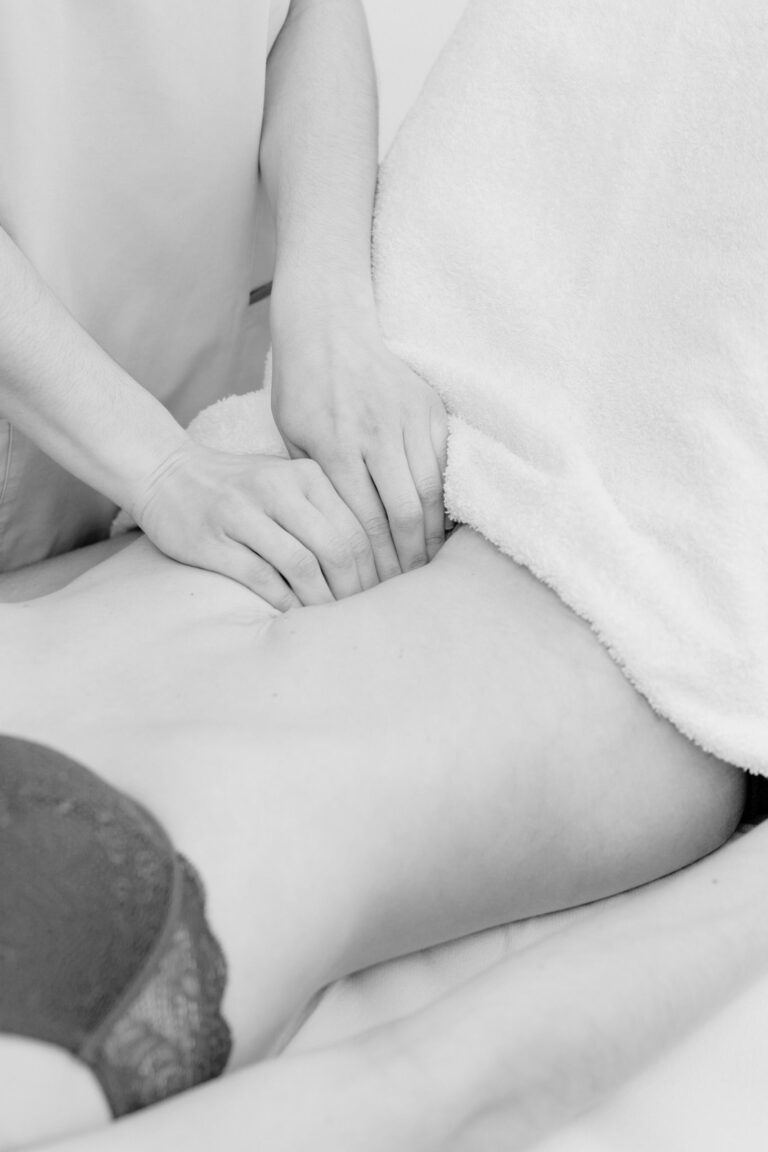
If an injury has been sustained, the physiotherapist will oversee your treatment and recovery, taking into account individual characteristics and condition, working on the affected structure through methods and treatments such as: thermotherapy, cryotherapy, electrotherapy, hydrotherapy, radiofrequency (INDIBA), manual therapy, neuromuscular banding or Kinesio taping, and dry needling, to then reintegrate it into your overall functional recovery, through alignment, rebalancing, and readjustment of muscular chains using disciplines, such as Pilates method, which helps to strengthen, flex, work on proprioception and body awareness.
What are the benefits of physiotherapy in injuries?
It is essential to know that the intention of any athlete, even if injured, will be to continue playing sports or to stop for the shortest possible time. This specialty gives us the keys to facilitate rehabilitation by treating pain, inflammation, oedema, and tissue regeneration so that, shorten your recovery time and to achieve its full functionality readapting it to their sporting practice without risk of relapse.
The professional, with their knowledge, has the ability to adapt training according to the physical condition, including the injured area, while keeping the rest of the musculoskeletal system in optimal condition and gradually reintegrating the area and its function.
You will be able to understand and intervene in the athlete's condition, taking into account any previous pathologies and history they may have, the biomechanics of their actions, postures, and movements; difficulties in executing technique, and the analysis of movements that may generate imbalances or dysfunctions to prevent relapses.
Your intervention will be designed based on evidence, providing the athlete with assurance and confidence, and the situation will be evaluated based on their progress in rehabilitation and the achievement of short- and medium-term goals, in order to decide on their return to sport as soon as possible at their optimal performance level.
Establish the necessary resources and tools for the athlete to maintain their physical fitness and performance at an optimal level alongside the structures that have suffered injury and to be able to use them always for prevention.
Prevention and performance optimisation
For an athlete, it is important not only to recover and re-establish functions lost due to an injury, but also carry out preventive work which allows us to ensure a high degree of safety when avoiding the risk of new injuries or relapses. This will improve sports performance, the musculature will be at its highest level, its elasticity will increase, its adaptation to effort will be better and, on the other hand, its mood and psychological state will improve.
The physical training of the athlete It is also linked to preserving adequate hours of rest and establishing a tune-up with a physical therapy routine that will allow you to identify points of tension, shortening, overload or dysfunction and intervene on them to improve the functioning of the involved bodily structures and thus, training productivity and your performance.
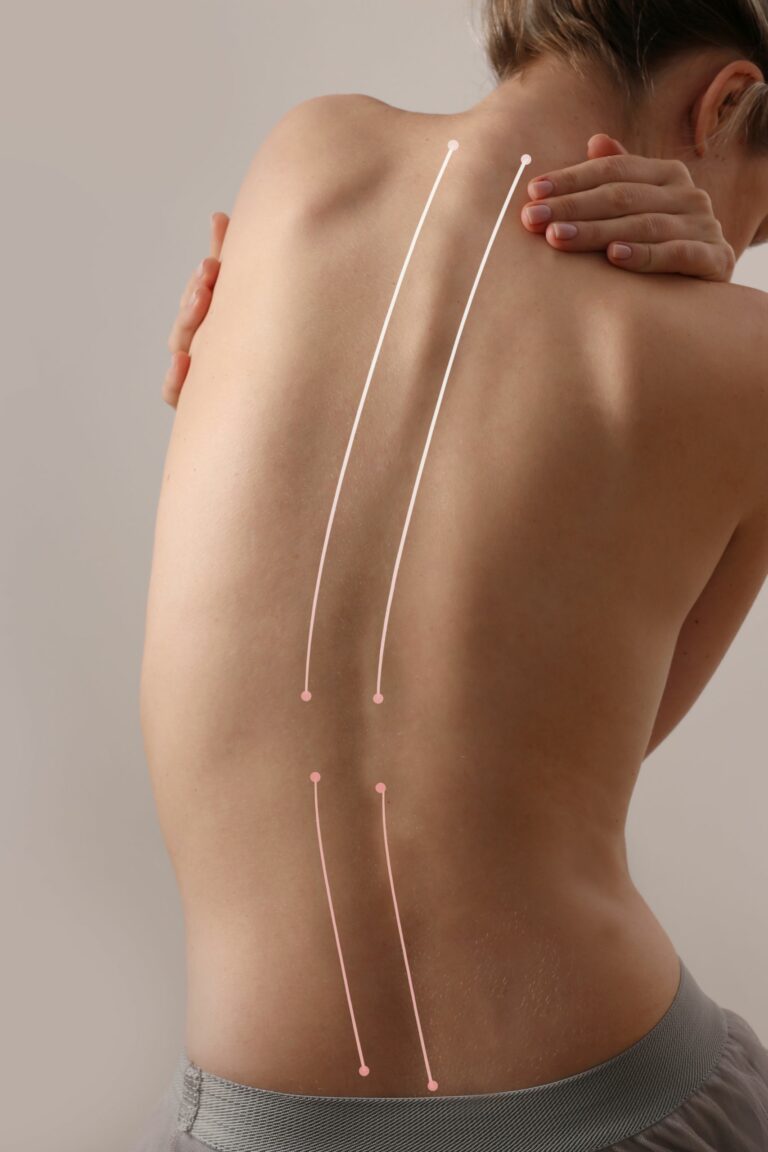
The physiotherapist will monitor their condition and progress at all times, intervening in any structures that may be affected by overuse. They will focus on strengthening, joint stability, elasticity, and motor coordination for the athlete, avoiding overexertion and correcting poor sporting technique.
Through proprioception work, we'll teach the body to act and respond immediately, increasing its reaction capacity to any poorly coordinated movement, bad posture, or external imbalance.
The professional's intervention and physiotherapy for injuries involve changes and adjustments, not only of a biological or physiological nature, but also psycho-emotional and social, setting behavioural guidelines. Communication with the professional impacts the athlete's motivation to understand, participate and maintain self-care, respecting recovery times and showing collaboration, achieving better adherence to the treatment plan.
Tell us what you thought of this article, please rate it (1 TO 5 STARS).