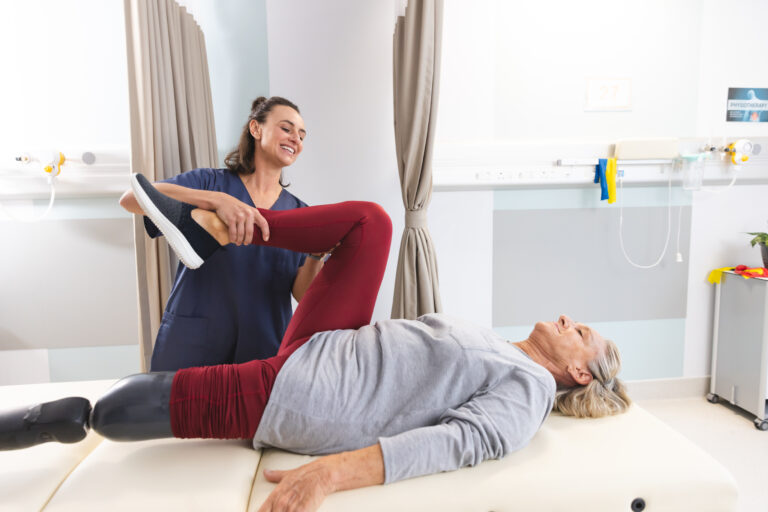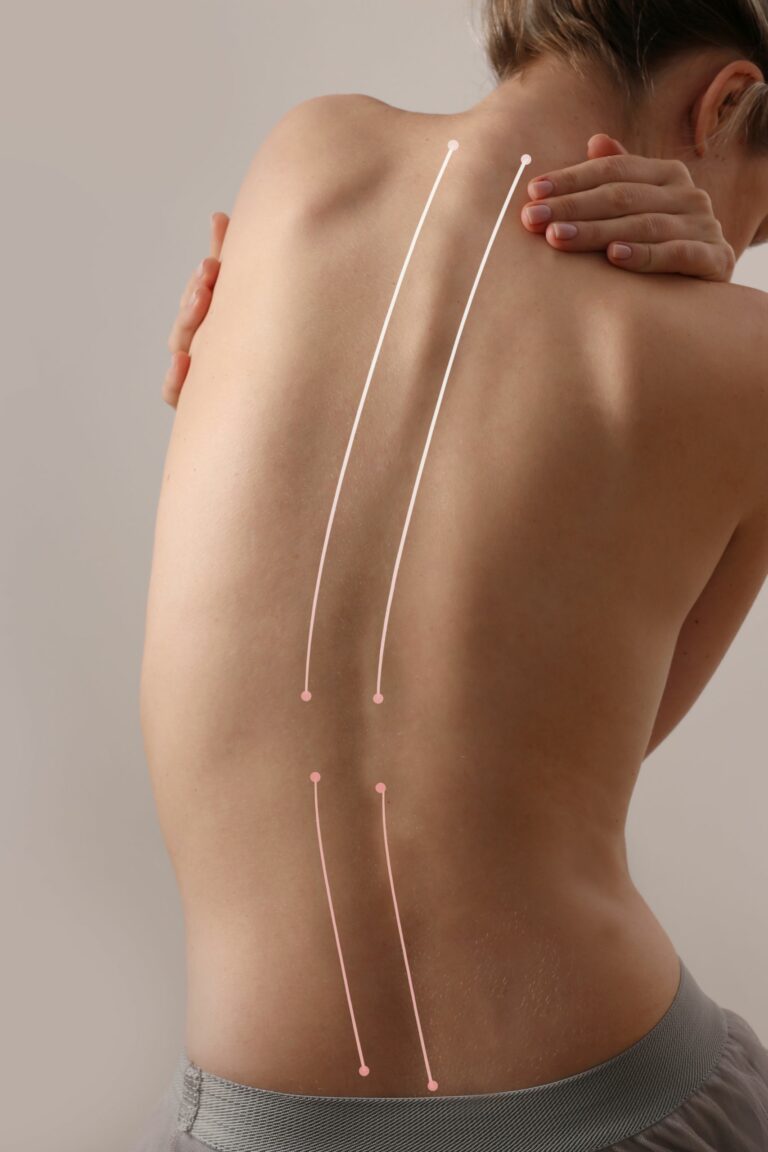
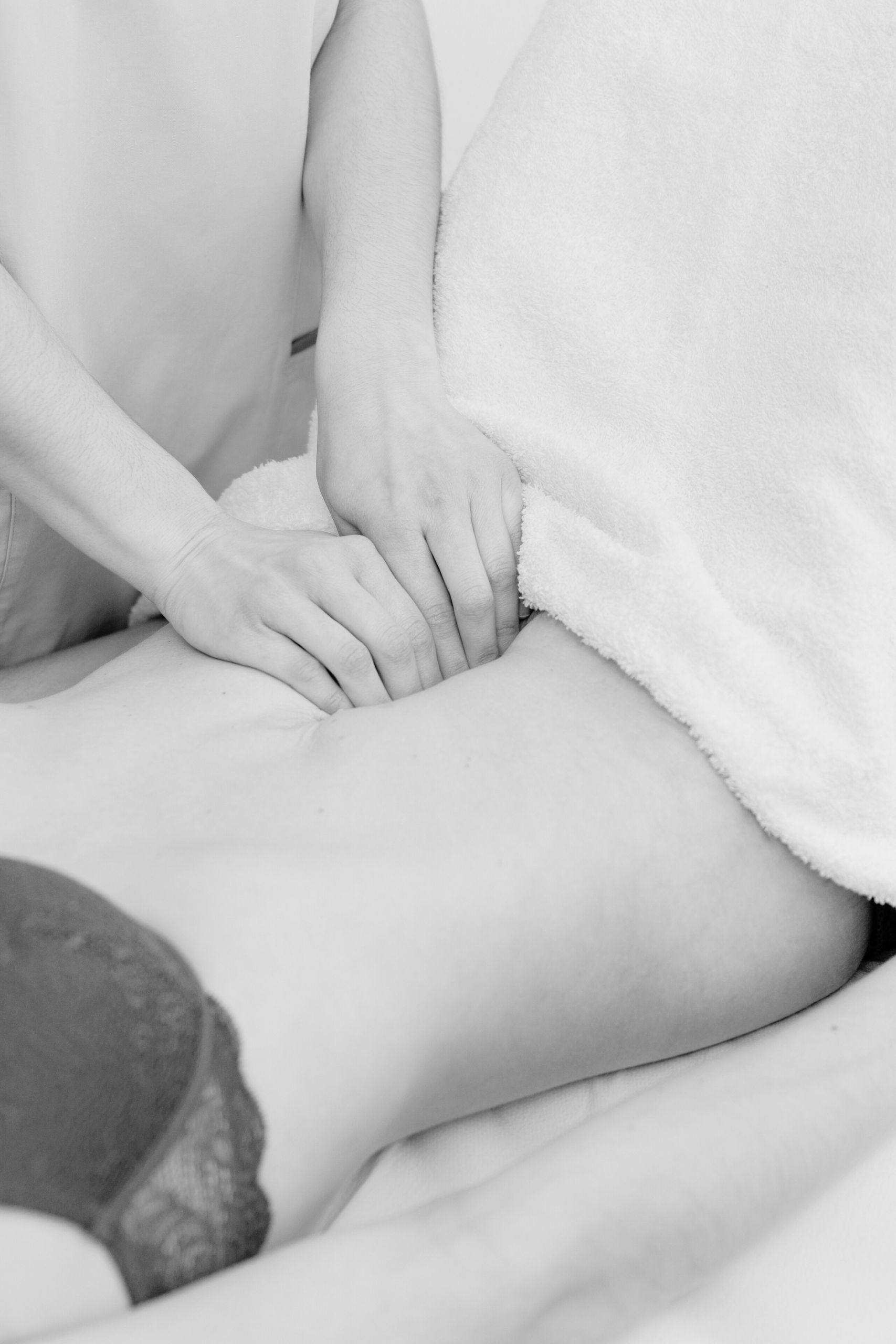
The physiotherapy Postpartum is a crucial part of the postpartum recovery and wellness process. During pregnancy and childbirth, a woman's body undergoes a number of significant physical changes that can leave her vulnerable to a variety of health problems, including muscle weakness, lower back pain, urinary incontinence and pelvic floor dysfunction. Postpartum physiotherapy focuses on addressing these problems and helping women regain their strength, flexibility and physical function after childbirth.
What are the Benefits of Postpartum Physiotherapy?
Postpartum physiotherapy offers a number of important benefits that can help women recover physically, emotionally and functionally after childbirth, promoting their short- and long-term well-being.
Pain and Discomfort Reduction
Many women experience low back, pelvic or other body pain after childbirth due to the physical stress of pregnancy and childbirth. Postpartum physiotherapy can help relieve this pain through manual therapy techniques, stretching exercises and treatment modalities such as heat or cold. At Elite Pilates we have INDIBA, is a physical therapy technique that uses radiofrequency to promote recovery and pain relief in a variety of conditions, including postpartum pain, by reducing inflammation, improving blood circulation, relaxing muscle tissues and stimulating cellular activity and metabolism in the treated tissues, which can facilitate the healing and recovery process after childbirth.
Diastasis Recovery
Diastasis abdominis is a separation of the rectus abdominis muscles that can occur during pregnancy and childbirth due to pressure from the growing uterus. Postpartum physiotherapy may be beneficial to help recover from this condition.
To recover from diastasis, we must work the transverse abdominis and rectus abdominis muscles. Always after an initial assessment and the design of an individualised treatment plan by a specialised physiotherapist. One of the most common mistakes that is made is to think that all bodies act in the same way and to establish treatment protocols.
Prevention of Injuries and Future Complications
Postpartum physiotherapy can help prevent or mitigate long-term complications, such as urinary incontinence, pelvic floor dysfunction and chronic pain, by addressing these problems early on and providing women with the tools and strategies necessary to maintain their long-term health.
Promoting Emotional Well-being
Postpartum care can be an emotionally challenging time for many women. Postpartum physiotherapy provides a supportive environment where women can receive counselling and education about their physical and emotional health, which can help them feel more confident and empowered during this transitional period.
Most common postpartum physiotherapy exercises
- Breathing exercises.
- Kegel exercises: pelvic floor contractions and relaxations.
- Strengthening of the transverse abdominal muscles.
- Activation of the pelvic floor muscles.
- Gentle stretching to relieve muscle tension.
- Strengthening exercises
- Ergonomics of correct posture during breastfeeding and infant care.
Why is Physiotherapy Important for Postpartum Rehabilitation?
Postpartum physiotherapy plays a crucial role in the physical and emotional recovery of women after childbirth, helping them to address the changes and challenges associated with pregnancy and childbirth, and promoting a better quality of life in the postpartum period. At Elite Pilates we do an initial assessment of each client and we establish a plan of sessions with the aim of always guaranteeing and improving their state of health. In addition, we supervise each person in a personalised way, taking into account their particular medical history.
Tell us what you thought of this article, please rate it (1 TO 5 STARS).