The physiotherapy Pelvic floor physiotherapy is a speciality within physiotherapy that focuses on the assessment, diagnosis and treatment of dysfunctions related to the muscles, ligaments, nerves and connective tissues that form the pelvic floor. This complex group of structures performs vital functions in the body, such as supporting the pelvic organs (bladder, uterus, rectum), controlling urination, defecation and sexual function.
Physiotherapists specialising in this field use a variety of techniques, which may include muscle strengthening and relaxation exercises, biofeedback techniques, manual therapy, health education, lifestyle modification and other treatment modalities tailored to the individual patient.
The ultimate goal of pelvic floor physiotherapy is to restore optimal pelvic floor function, improve the patient's quality of life and prevent the recurrence of future problems.
Common Pelvic Floor Problems
Urinary Incontinence
It is one of the most common problems associated with the pelvic floor, especially after childbirth. It can manifest as involuntary leakage of urine when coughing, sneezing, laughing or performing physical activity. Urinary incontinence can be of two types:
- Stress Urinary Incontinence: This type of incontinence occurs when there is an involuntary leakage of urine during activities that increase abdominal pressure, such as coughing, sneezing, laughing, lifting or physical exercise. The main cause is usually a weakening of the pelvic floor muscles and bladder support tissues, which can occur due to pregnancy, vaginal childbirth, menopause, obesity, previous pelvic surgery or ageing. In stress urinary incontinence, the pressure in the bladder exceeds the closing pressure of the urethral sphincter, causing urine leakage.
- Emergency Urinary Incontinence: This type of incontinence is characterised by a sudden and intense urge to urinate that is difficult to control, followed by an involuntary loss of urine. The main cause is usually overactivity of the detrusor muscle, which is the muscle in the bladder that contracts to empty the bladder. In urge urinary incontinence, the detrusor muscle contracts inappropriately, even when the bladder is not full, resulting in the urgent sensation of urinating and often leakage of urine before reaching the toilet.
It is important to note that some people may experience a combination of both types of urinary incontinence, known as mixed incontinence. Treatment varies depending on the type of incontinence and may include lifestyle changes, pelvic floor strengthening exercises, medication, medical devices and in some cases, surgery. If you are experiencing symptoms of urinary incontinence, it is important to consult a health professional to obtain an accurate diagnosis and an appropriate treatment plan.
Pelvic prolapse
Pelvic prolapse is a condition in which one or more pelvic organs are displaced from their normal position and protrude into the vagina. There are several types of pelvic prolapse, depending on which organ is affected and the severity of the displacement. The most common types are described below:
- Bladder Prolapse (Cystocele): In this type of prolapse, the bladder moves into the vagina due to weakening of the tissues and muscles that hold the bladder in place. This can cause symptoms such as a feeling of pressure in the pelvis, difficulty emptying the bladder completely, urinary incontinence, discomfort during sexual intercourse and the protrusion of a soft mass through the vaginal opening.
- Uterine prolapse: Uterine prolapse occurs when the uterus moves into the vagina, due to weakening of the ligaments and muscles that hold it in its normal position. Symptoms may include a feeling of heaviness or pressure in the pelvis, lower back pain, discomfort during intercourse, problems with urination or defecation, and, in severe cases, protrusion of the uterus out of the vagina.
- Vaginal vault prolapse (Enterocele):In this type of prolapse, the small intestine or peritoneum moves into the upper part of the vagina, forming a bulge. This can cause symptoms such as a feeling of pressure in the pelvis, discomfort during sexual intercourse, problems emptying the bowel completely and, in severe cases, the protrusion of a mass through the vaginal opening.
- Rectal prolapse (Rectocele): In rectal prolapse, part of the rectum is displaced into the vagina due to weakening of the tissues and muscles between the rectum and vagina. Symptoms may include a feeling of pressure in the pelvis, difficulty defecating, a feeling that the rectum cannot be completely emptied, discomfort during sexual intercourse, and the protrusion of a mass through the vaginal opening.
Treatment for pelvic prolapse varies depending on the severity of symptoms and the impact on the person's quality of life. It may include pelvic floor strengthening exercises and physiotherapy. In severe cases, surgery to repair the damaged tissues and return the organs to their proper position.
Chronic Pelvic Pain
Chronic pelvic pain is characterised by persistent pain in the pelvic region, which may be constant or intermittent, and may vary in intensity.
Causes may include pelvic floor dysfunction, inflammation, nerve disorders, endometriosis, fibromyalgia, among others.
This type of pain can significantly affect quality of life, causing discomfort, limitations in physical activity and emotional problems.
These problems can interfere with a person's quality of life and overall health, but effective treatments exist, including specific exercises to strengthen the pelvic floor, physical therapy, medications and, in some cases, surgery. It is important to seek medical attention for an accurate diagnosis and an appropriate treatment plan.
Physiotherapy for Pelvic Prolapse
Physiotherapy plays a crucial role in the treatment of pelvic prolapse by addressing both the symptoms and underlying causes of this condition. Strengthening exercises and postural correction techniques are key components of physiotherapy for pelvic prolapse and can offer a range of benefits:
Muscle Strengthening
Specific pelvic floor strengthening exercises, such as Kegel exercises, help strengthen the muscles that hold the pelvic organs in place. By strengthening these muscles, you improve their ability to provide support and prevent the pelvic organs from dropping.
These exercises can also improve muscle tone and coordination, which contributes to better overall pelvic floor function.
Stabilisation and Postural Correction
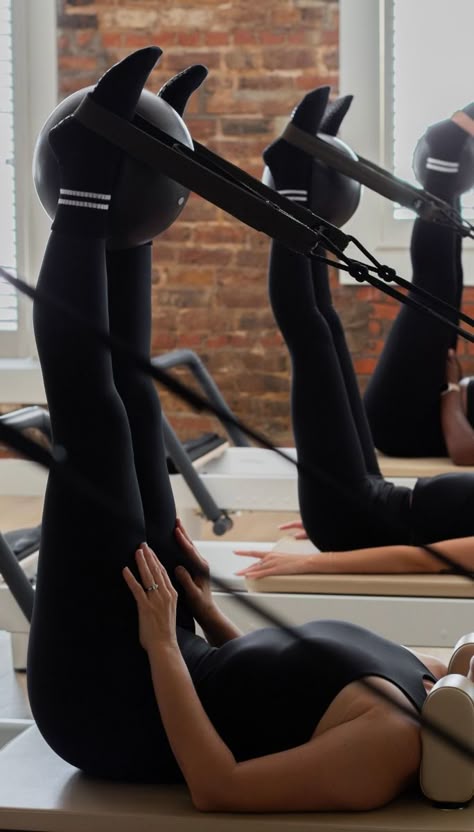
Postural correction techniques, such as the Pilates method, help to properly align the body to reduce pressure on the pelvic floor and pelvic organs.
Improving posture reduces stress on the pelvic floor muscles and promotes a more even distribution of body weight, which can relieve pressure on the organs affected by prolapse.
Prevention of Recurrence
Physiotherapy not only treats the current symptoms of pelvic prolapse, but also helps to prevent future recurrences.
By continually strengthening the pelvic floor and correcting posture, optimal pelvic floor function can be maintained in the long term, thus reducing the risk of prolapse recurrence.
Improved Function
By strengthening the pelvic floor muscles and correcting posture, overall pelvic floor function can be improved, which can help reduce symptoms associated with prolapse, such as pressure sensation, discomfort and urinary incontinence.
It is important to note that physiotherapy for pelvic prolapse should be personalised and supervised by a physiotherapist specialised in pelvic floor. This professional can design a programme of exercises and postural correction techniques specifically tailored to the individual needs of each patient, thus ensuring effective and safe treatment. In many cases, physiotherapy can be an alternative or complement to other treatment approaches, such as surgery, providing a conservative and non-invasive option to address pelvic prolapse.
Relieving Chronic Pelvic Pain
Physiotherapy plays an integral role in the treatment of chronic pelvic pain by addressing both the symptoms and underlying causes of this condition. The following describes how stretching, muscle strengthening and manual therapy techniques can help relieve chronic pelvic pain:
- Muscle Stretching: Specific stretches can help reduce muscle tension in the pelvic region, which can relieve associated pain. Tight or shortened muscles can contribute to chronic pelvic pain by compressing nerves and surrounding tissues. Proper stretching can help restore muscle length and flexibility, thereby reducing pressure on sensitive tissues and reducing pain.
- Muscle Strengthening: Strengthening the pelvic floor muscles and pelvic stabiliser muscles can help improve stability and support in the pelvic region. Specific strengthening exercises can correct muscle imbalances, improve posture and reduce tension in overused muscles, which may contribute to relief from chronic pelvic pain.
- Manual Therapy: Manual therapy, which includes techniques such as massage, myofascial release and joint manipulation, can help reduce muscle tension and improve mobility in the pelvic region. By releasing soft tissue restrictions and improving joint alignment, manual therapy can reduce irritation to surrounding nerves and tissues, which may contribute to relief of chronic pelvic pain.
It is important to note that the physiotherapy approach to pelvic pain should be supervised by a pelvic floor physiotherapist. This professional can assess each patient's individual needs and design a specific treatment plan that includes appropriate stretching, muscle strengthening and manual therapy techniques to address the underlying causes of chronic pelvic pain.
In addition to these techniques, the physiotherapist can provide education on pain self-management, lifestyle modifications and strategies to improve ergonomics and posture, which can help prevent recurrence of chronic pelvic pain in the long term.
Pelvic Floor Physiotherapy Benefits
pelvic floor physiotherapy offers a number of benefits that can improve quality of life, increase muscle function and prevent future complications associated with pelvic floor disorders. By working with a pelvic floor physiotherapist, people can receive treatment focused on their individual needs, enabling them to regain their physical, emotional and social well-being. Some of these benefits are highlighted here:
- Improving Quality of Life: Pelvic floor physiotherapy can relieve bothersome and debilitating symptoms associated with pelvic floor disorders such as urinary incontinence, pelvic prolapse, chronic pelvic pain and sexual dysfunction. By reducing pain and improving pelvic floor function, physiotherapy can help people regain their ability to participate in daily, social and recreational activities, which can improve their overall well-being and quality of life.
- Increased Muscle Function: Pelvic floor strengthening exercises and rehabilitation techniques can increase the strength, endurance and coordination of the pelvic floor muscles. Strengthening these muscles improves their ability to support the pelvic organs, control urination and defecation, and maintain stability and balance in the pelvic region.
- Prevention of Future Complications: Pelvic floor physiotherapy can help prevent the progression of pelvic floor disorders and avoid long-term complications, such as worsening pelvic prolapse, stress urinary incontinence or chronic pelvic pain. By addressing the underlying causes of pelvic floor disorders and promoting healthy lifestyle habits, physiotherapy can help maintain optimal pelvic floor function and prevent future recurrences of symptoms.
- Patient Empowerment: Pelvic floor physiotherapy not only provides treatment for current symptoms, but also educates patients about their condition and teaches them self-care techniques to manage their symptoms effectively.
By providing patients with the tools and resources necessary to care for their pelvic health, physiotherapy can empower patients to take an active role in their recovery process and promote a long-term healthy lifestyle.
Prevention and Long Term Maintenance
Prevention and long-term maintenance of the pelvic floor is essential to promote health and prevent future problems. Pelvic floor physiotherapy plays a crucial role in this process by providing education, training and practical tools to strengthen and maintain optimal pelvic floor function over time. Here are some practical tips for pelvic floor prevention and maintenance:
The first key to pelvic floor prevention and maintenance is awareness and education about pelvic floor anatomy and function. Learning about risk factors, healthy lifestyle habits and self-care strategies can help people take proactive steps to protect and strengthen their pelvic floor.
In addition, healthy habits such as maintaining a healthy body weight, eating a balanced diet rich in fibre, drinking enough water and avoiding constipation are important habits to prevent pelvic floor problems such as prolapse and chronic pelvic pain. Avoiding smoking and reducing alcohol consumption can help maintain pelvic floor health by improving blood circulation and reducing inflammation in the pelvic region.
Regular physical activity can also improve muscle strength, endurance and flexibility throughout the body, including the pelvic floor. Specific pelvic floor strengthening exercises, such as Kegel exercises, are essential to maintain optimal pelvic floor function and prevent urinary incontinence, prolapse and other pelvic floor disorders.
Remember, stress and muscle tension can contribute to pelvic floor problems, such as chronic pelvic pain and sexual dysfunction. Practising relaxation techniques, such as deep breathing, can help reduce tension and promote relaxation in the pelvic region.
Finally, maintaining proper posture is essential to prevent excessive pressure on the pelvic floor and pelvic organs. It can help maintain proper pelvic alignment and reduce tension on the pelvic floor.
This is why we recommend, regular assessments with a pelvic floor physiotherapist can help identify and address any pelvic floor problems in their early stages.
A physiotherapist can provide personalised recommendations, specific exercises and self-care techniques to maintain long-term pelvic floor health and function.
Tell us what you thought of this article, please rate it (1 TO 5 STARS).