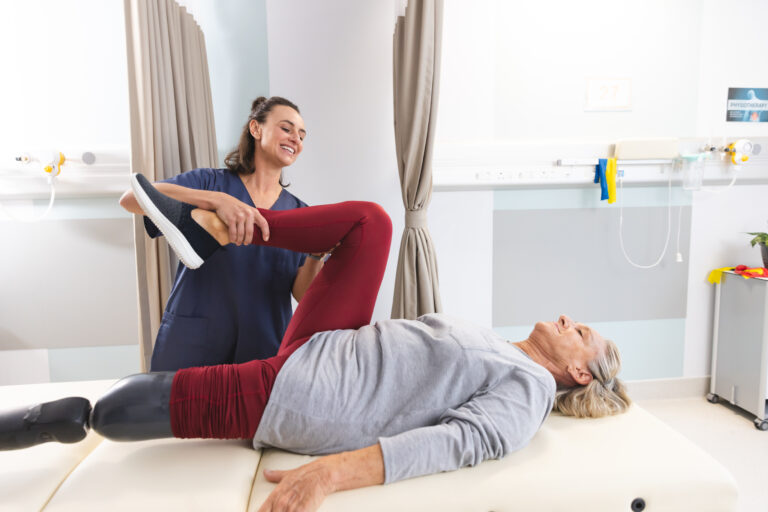

The physiotherapy plays a crucial role in women's lives during menopause due to the significant physical changes and common symptoms that can arise during this period. The menopause is a natural stage in a woman's life, marked by declining levels of oestrogen and progesterone, leading to a number of physical changes and symptoms that can affect her quality of life.
Some of the most common physical changes during menopause include:
- Loss of bone massEstrogen: Decreased estrogen levels can lead to a loss of bone density, increasing the risk of osteoporosis and bone fractures.
- Changes in body compositionMany women experience an increase in body fat and a redistribution of body fat, which can affect posture and muscle function.
- Pelvic floor dysfunctionEstrogen: Decreased estrogen levels can weaken pelvic floor muscles, which can lead to urinary incontinence, prolapse and sexual dysfunction.
- Musculoskeletal problemsEstrogen: Decreased estrogen levels may contribute to joint stiffness, loss of muscle mass and increased risk of musculoskeletal injuries.
Physiotherapy can help address these common physical changes and symptoms in a number of ways:
- Therapeutic exerciseTailored exercise programmes can help improve bone density, strengthen muscles, improve posture and reduce the risk of musculoskeletal injuries.
- Manual therapyManual therapy techniques can be used by physiotherapists to improve joint mobility, relieve pain and reduce muscle stiffness.
- Pelvic floor trainingPelvic floor strengthening exercises can help prevent and treat urinary incontinence, prolapse and other pelvic floor problems.
- Education and counsellingPhysiotherapists can provide education on the importance of maintaining an active and healthy lifestyle during menopause, as well as advice on posture, ergonomics and injury prevention.
In summary, physiotherapy plays a crucial role in the care of women during the menopause by helping them manage the physical changes and common symptoms associated with this stage of life. By providing therapeutic exercise, manual therapy, pelvic floor training and education, physiotherapists can improve the quality of life and promote the physical and emotional well-being of women during menopause.
Specific Exercises for Symptom Relief
Specific exercises recommended by physiotherapists to relieve common symptoms during the menopause:
Exercises for osteoporosis:
- Bone-loading exercisesWalking, running, jumping, weight lifting and resistance exercises help to strengthen bones and increase bone density.
- Balance exercisesLike yoga, tai chi or pilates for the pelvic floor, which improve balance and reduce the risk of falls and fractures.
Exercises for urinary incontinence:
- Kegel exercises: Contractions and relaxations of the pelvic floor muscles to strengthen them and improve bladder control.
- Continence training: Specific programmes to teach bladder control techniques and improve the ability to hold urine.
Exercises for hot flushes:
- Deep breathing exercises: Diaphragmatic breathing techniques help to reduce the frequency and intensity of hot flushes.
Exercises for cardiovascular health:
- Aerobic exercise: Walking, swimming, cycling or dancing to improve heart health and reduce the risk of cardiovascular disease.
- High-intensity interval training (HIIT): Alternate bursts of intense exercise with recovery periods to improve cardiovascular endurance.
Exercises for mental and emotional health:
- Outdoor exercise: Walking, jogging or yoga in nature to reduce stress and improve mood.
- Recreational activities: Participate in fun and social activities, such as dancing, playing tennis or gardening, to increase feelings of emotional well-being.
It is important to consult a physiotherapist or health professional before beginning any exercise programme, especially if you have pre-existing medical conditions. A physiotherapist can customise an exercise programme to suit individual needs and help alleviate specific symptoms associated with menopause.
Prevention of Musculoskeletal Problems
Physiotherapy plays an important role in the prevention and treatment of musculoskeletal problems associated with menopause, such as osteoporosis and muscle wasting. Here are some ways in which physiotherapy can help:
- Therapeutic exercisePhysical therapists can design personalised exercise programmes that include bone-loading and resistance exercises to strengthen bones and muscles. These exercises can help prevent the loss of bone and muscle mass associated with menopause, as well as improve bone density and muscle strength in women who already have osteoporosis.
- Balance and coordination trainingPhysiotherapy can include specific exercises designed to improve balance and coordination, which can help reduce the risk of falls and bone fractures in women with osteoporosis.
- Postural education and ergonomicsPhysiotherapists can provide education on safe lifting techniques, proper posture and ergonomics in the workplace to prevent musculoskeletal injuries and improve body alignment.
- Manual therapyManual therapy techniques, such as massage and joint mobilisation, can be used by physiotherapists to relieve pain, improve mobility and reduce stiffness in joints and muscles affected by osteoporosis and muscle wasting.
- Progressive strength trainingThrough a progressive strength training programme, physiotherapists can help increase muscle mass and improve muscle strength in women experiencing muscle loss due to menopause.
- Healthy lifestyle tipsIn addition to specific exercises, physiotherapists can offer advice on healthy lifestyle habits, which can help prevent and treat musculoskeletal problems associated with the menopause.
In summary, physiotherapy can play an integral role in the prevention and treatment of musculoskeletal problems during menopause, providing personalised exercise programmes, education on posture and ergonomic techniques, manual therapy and healthy lifestyle advice. Working in partnership with a physiotherapist can help women maintain musculoskeletal health and prevent complications associated with menopause, such as bone fractures and loss of physical function.
Pelvic Floor Therapy
Pelvic floor therapy is essential in the management of urinary incontinence and related problems, as it focuses on strengthening, toning and coordinating the pelvic floor muscles, as well as improving body awareness and function of this anatomical area. Here we detail the importance of this therapy and some of the techniques and exercises used in this area:
Importance of pelvic floor therapy:
- Muscle strengtheningPelvic floor muscles are responsible for supporting the pelvic organs, controlling urinary and faecal function, and contributing to sexual function. When these muscles are weakened or dysfunctional, problems such as urinary incontinence, pelvic organ prolapse and sexual dysfunction can occur. Pelvic floor therapy helps strengthen these muscles to improve their function and prevent or treat these problems.
- Improved continencePelvic floor therapy can help improve the ability to control the bladder and bowel, reducing the frequency and severity of urinary and faecal incontinence.
- Pain reliefMany conditions, such as chronic pelvic pain or sexual dysfunction, can be related to pelvic floor dysfunction. Pelvic floor therapy can help relieve pain by improving muscle function and posture.
- Improving quality of lifeBy addressing problems related to urinary incontinence and other pelvic floor disorders, pelvic floor therapy can significantly improve patients' quality of life, allowing them to participate in daily activities with greater comfort and confidence.
Techniques and exercises used in pelvic floor therapy:
- Kegel exercisesPelvic floor exercises: These exercises consist of contracting and relaxing the pelvic floor muscles in a controlled manner. They are useful for strengthening these muscles and improving control over urinary and faecal function.
- BiofeedbackThis technique uses special devices to measure pelvic floor muscle activity and provides real-time feedback to the patient. It helps to improve body awareness and the ability to properly contract the pelvic floor muscles.
- Electrical stimulationSome patients may benefit from electrical stimulation, which uses small electrical currents to stimulate the pelvic floor muscles and improve their strength and function.
- Bladder trainingThis approach involves teaching the patient bladder control techniques, such as scheduling regular times to go to the toilet and learning to delay urination.
- Manual therapyPhysiotherapists can use manual therapy techniques, such as myofascial massage, to release muscle tension and improve mobility in the pelvic floor region.
In summary, pelvic floor therapy plays a crucial role in the management of urinary incontinence and related problems by strengthening pelvic floor muscles, improving function and body awareness, and providing pain relief. With a combination of specific exercises, specialised techniques and patient education, pelvic floor therapy can significantly improve the quality of life for people affected by these disorders.
Psychological Benefits of Physiotherapy
Physiotherapy can have a significant impact on mental wellbeing during menopause by helping to relieve stress, anxiety and improve overall quality of life in a number of ways:
- Physical exercisePhysiotherapy includes personalised exercise programmes that can help release endorphins, neurotransmitters that act as natural painkillers and generate feelings of well-being and happiness. Regular exercise can also help reduce levels of the stress hormone cortisol, which contributes to the reduction of stress and anxiety.
- Muscle relaxationPhysiotherapists can teach progressive muscle relaxation and deep breathing techniques that help reduce muscle tension and promote general relaxation. These techniques can be helpful in relieving stress and anxiety associated with menopause.
- Manual therapyManual therapy, such as therapeutic massage, can help relieve muscle tension, improve blood circulation and promote general relaxation. This can have a calming effect on the mind and help reduce stress and anxiety.
- Breathing and mindfulness exercisesPhysiotherapists can teach deep breathing and mindfulness techniques that help focus the mind on the present moment and reduce mental rumination associated with stress and anxiety. These practices can help improve mental and emotional well-being during menopause.
- Education and supportPhysiotherapists can provide education about the physical and emotional changes associated with menopause, as well as advice on effective coping strategies and ways to improve overall quality of life. Emotional support and counselling can be invaluable for women facing challenges during this transitional period in life.
In summary, physiotherapy can play an important role in improving mental wellbeing during menopause by providing tailored physical exercise programmes, muscle relaxation and breathing techniques, manual therapy and emotional support. By addressing both the physical and mental aspects of wellbeing, physiotherapy can help women face the challenges of menopause with greater strength and resilience, improving their overall quality of life.
Recommendations and Care in the Practice of Exercise
During menopause, exercise is essential to maintain physical and mental health. Here are some specific recommendations focusing on the safety and effectiveness of recommended physical activities. Consult a specialised physiotherapist: Before starting any type of exercise during menopause, it is important to consult a physiotherapist to ensure that you are physically fit for physical activity and to get specific recommendations based on your health and fitness level.
Tell us what you thought of this article, please rate it (1 TO 5 STARS).