
At the intersection of physiotherapy and psychology, the study of posture has revealed fascinating connections between how we hold ourselves physically and who we are psychologically. It is not just a matter of physical health; our posture can be a revealing mirror of our personality and emotions. In this article, we will explore the intricate ways in which our posture can reflect and affect our behaviour and mental health, using the principles of the GDS method and other related theories. You will discover how small adjustments to your posture could not only prevent physical problems but also transform your approach to life.
What is the relationship between posture and personality?
Our posture is much more than just a body position; it is a window into our psyche and emotional well-being. Every tilt of our spine, every tension in our shoulders, and every step we take carries a message about our health and our personality. According to the DSM (Dynamic System Management) method, postural attitudes are not random but result from the predominance of certain muscle groups working together, directly influencing how we perceive ourselves and relate to our environment.
Posture not only predicts areas of our body that are vulnerable to future problems, but also reflects significant personal characteristics. For example, a hunched or closed posture may indicate tendencies towards introspection or shyness, while an open and expansive posture may be a sign of extroversion and social openness. These predispositions not only influence how we interact with others, but can also predispose to certain physical conditions, such as specific muscle tensions or imbalances that can lead to chronic injuries.
Recognising and understanding the relationship between our posture and our personality is not only crucial for instructor and physical health specialists, but for anyone seeking a deeper understanding of their body and mind. Through this knowledge, we can begin to make conscious changes in our posture that not only improve our physical health, but can also have positive effects on how we feel and behave every day.
How does posture indicate health problems and personality traits?
According to the GDS method, the different postural attitudes are created by the predominance of certain muscle groups working together. In this way the influence of different muscle chains marks a certain typology. Among the relational chains we find these two.
Locking and protection chain.
This is the AL or anterolateral chain. When this chain predominates, we observe an attitude of withdrawal in which the shoulders are rolled inwards as well as the knees. It corresponds to introverted, orderly, perfectionist and analytical people. This chain is involved in the defence mechanism against physical trauma and in the phenomena of visceral suffering. People who have it often suffer from circulatory problems, gallstones, urinary incontinence or constipation, as well as shoulder, knee or ankle sprains.
Opening chain.
Also called PL or posterolateral chain. Here we find an arched or unfolded attitude. This type of person walks with arms and legs apart and carries the pelvis forward. They tend to have flat feet and are susceptible to back pain, herniated discs, osteoarthritis in the hips or meniscus problems. In terms of personality, they tend to be extroverted, with a great need for communication, social skills and the need to attract attention. In the case of excess of this chain we can even find anger.
The Personality Chains according to the GDS Method
The DSM (Dynamic System Management) Method not only addresses the muscle chains that affect our physical posture, but also delves into how these are intrinsically linked to what are called «personality chains». These chains represent the psycho-emotional dimensions of a person and are classified into five main types: affectivity, cerebrality, reactivity, emotionality and impulsivity.
- AffectivityThis chain is related to the ability to feel and express emotions towards others. People with a predominant affectivity chain tend to have a posture that reflects openness and welcome, facilitating interpersonal connection.
- CerebralityIt implies an analytical and methodical approach to life. At the postural level, these people may present a stiffness in the upper body, indicative of their constant mental activity.
- ReactivityCharacterised by a rapid and often intense response to external stimuli, this chain can translate into an alert and action-ready posture.
- EmotivityImplies great emotional sensitivity, often reflected in a posture that may appear less stable or more fluid, symbolising emotional variability.
- ImpulsivityThis chain is associated with quick actions and decisions, often without premeditation. Posturally, this can manifest itself in rapid and dynamic movements.
The interplay between these personality strings and the physical relational strings creates a unique posture in each individual. For example, a person with a combination of affectivity and a closure chain may exhibit a protective but open stance in certain social circumstances, reflecting a complex balance between emotional openness and the need for personal protection.
Influence of Daily Activities and Exercise on Posture
Our lifestyle and daily activities have a significant impact on our posture. From the way we sit at work to how we move and rest, every activity contributes to postural patterns that can strengthen or weaken our physical and mental health.
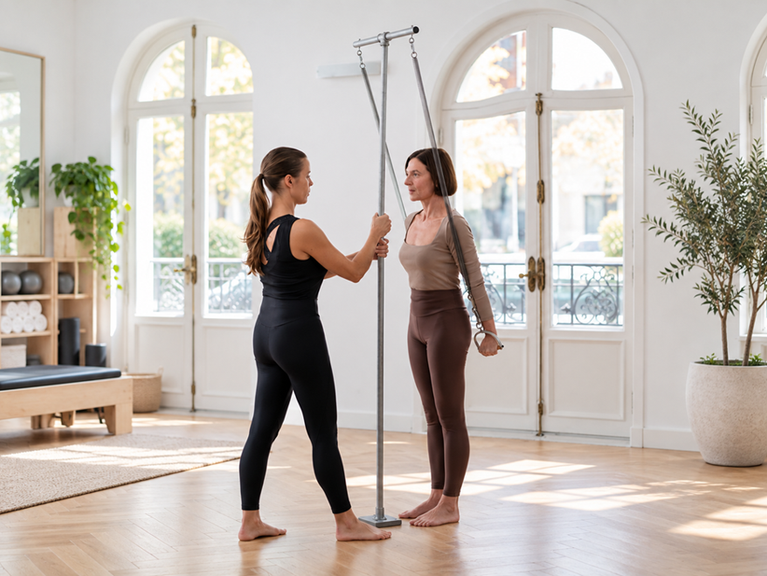
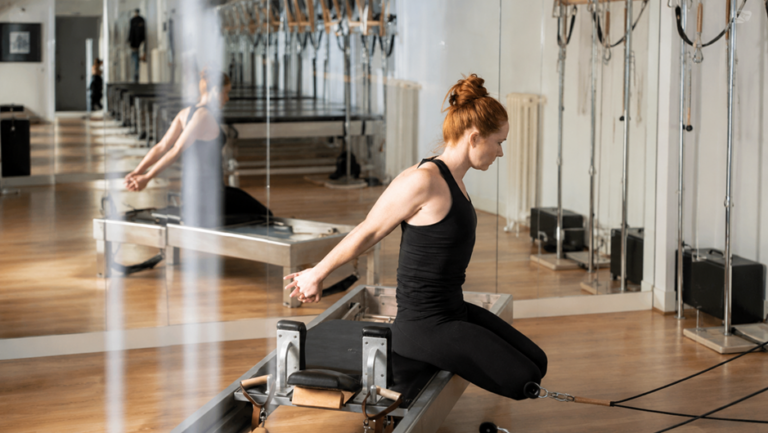
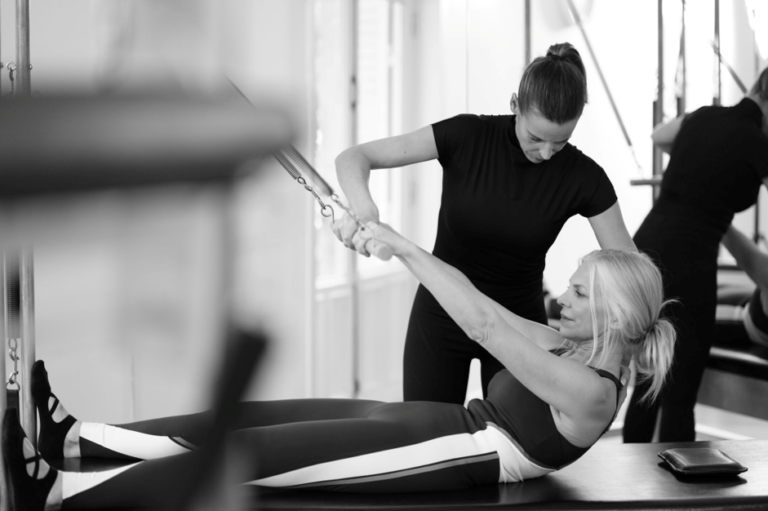
Regular practice of physical disciplines such as Pilates plays a crucial role in this regard. Pilates, in particular, is known for its focus on alignment, control and precision of movements, which helps to develop improved body awareness. This type of exercise not only strengthens muscles and improves flexibility, but also teaches practitioners to maintain an upright and balanced posture that can counteract the negative effects of sedentary activities such as sitting for long periods.
In addition, the Pilates classes and similar practices positively influence personality by promoting a more relaxed and focused state of mind. Improved posture and reduced physical stress can also lead to a more positive mental state, which affects how we present ourselves and react in various situations. Therefore, by incorporating mindful exercise into our daily routines, we are not only improving our physical posture, but also strengthening our mental and emotional health.
Tell us what you thought of this article, please rate it (1 TO 5 STARS).