
Like any aerobic exercise, running brings us great benefits. It works on our physical condition by strengthening our muscles, improving our circulation and helping us to lose weight. On a psychological level, it is also an ideal way to forget about problems and stress. Although it can be a fantastic exercise, it can also cause us different problems if we do not pay attention to certain important aspects that determine how to practice it in a responsible and safe way for our body. This ultimately results in us forgetting to enjoy running, which is the most important goal.
Common running mistakes
- In terms of techniqueThe biggest mistake is, as in other physical disciplines, the lack of technique. In general, people think that this is a simple sport that anyone can do, that it is within everyone's reach and that it does not require specific training, as is the case, for example, with golf, skiing or horse riding. This mistaken belief is the breeding ground for various problems that can arise during and after practice.
- In terms of footwear and clothingAnother of the most common mistakes is not wearing appropriate footwear and even clothing. Also, we most probably underestimate the importance of these elements instead of thinking of them as something that can be decisive in avoiding different problems.
- In terms of our preparationIt is not uncommon to see people who start running “on the spur of the moment” without a realistic and adequate training plan or programme and with the intention of achieving results in a short period of time. This is a mistake that, far from helping you increase your endurance, your speed or help you lose weight faster, will only contribute to you getting injured more easily.
- In terms of nutrition and hydrationTypical mistakes in this case are made by people whose main objective is to lose weight and avoid certain foods in their diet that are essential, such as carbohydrates. In addition, it is also common not to maintain adequate hydration, a mistake that will only hinder the supply of oxygen and nutrients to our muscles.
Most common injuries that prevent you from enjoying running
- Iliotibial band syndromeWhere inflammation occurs due to rubbing of the rib with the femur. It is more common in long distance runners and can have different origins.
- Chondromalacia patellaeWear and tear of the cartilage of the kneecap caused by continuous rubbing and generally caused by muscular imbalances.
- Tibial periostitisInflammation at the level of the tibia that usually occurs when running on hard surfaces or when we do not use the right shoes.
- Plantar fasciitisMost common in people with cavus or high arched feet and causes inflammation of the fascia that covers the musculature of the sole of the foot.
- Tendinopathies and sprainsGenerally due to lack of preparation or overtraining and muscular imbalances.
- Low back painUsually due to lack of stretching, alignment problems and muscle imbalance problems.
How can I improve my practice?
Here are some tips you can put into practice that can help you get the most out of your training while avoiding the risk of injury.
- Improve your techniqueTry to run with short strides at a regular pace and try to support your foot correctly.
Also, pay attention to your posture. Try to keep your back straight and your upper body relaxed and free of tension. - Choosing the right footwearIn the case of footwear, it is important to take into account your body weight and the type of footprint, in order to choose the footwear that best suits your needs.
- Choosing the right clothingClothing: With regard to clothing, it is important to choose clothes that are breathable, that keep the body dry and that prevent the accumulation of moisture through perspiration.
- Choose the right terrainNote that hard surfaces generate more impact, so, especially if you are a beginner, try to choose gentler surfaces such as dirt or grass to start with.
- Avoid overloadingSet realistic training limits that will allow you to improve yourself little by little every day and avoid training too hard that will lead to injury.
- Stay hydratedTo help keep your muscles in top condition.
- Stretch on completionDon't leave it aside, as it will help to reduce the tension and overload on the muscles that have worked the most and thus avoid injuries.
- Visit a physiotherapistEven if you don't have any complaints, if you are a regular runner, it is advisable to visit a doctor. physiotherapist in Madrid or in the city you are in so that it can help you to unload your muscles frequently and thus avoid overload injuries.
Runners: No more pain
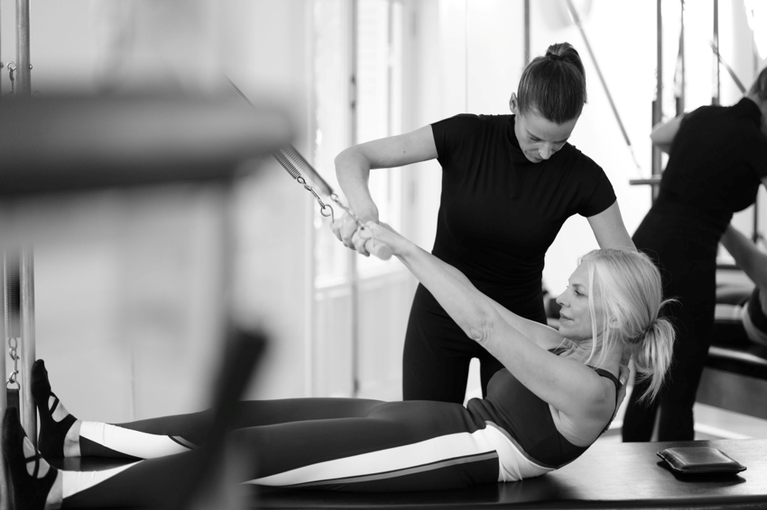
Our Pilates sessions “No more pain” is developed and designed especially for people who suffer an injury or for those who regularly practice a physical discipline where it is necessary to do a treatment to rehabilitate and / or prevent those ailments that can be generated.
We base our work on two fundamental pillars, physiotherapy and the Pilates method, to achieve the most effective recovery and to prevent injuries during practice.
In the case of runners, we will treat the different injuries that may appear by working on the damaged structures with manual therapy techniques combined in many cases with different instruments and apparatus, as in the case of the use of INDIBA, which is very popular with high performance sportsmen and women.
On the other hand, we will apply sessions of the original Pilates method, which in the case of runners is particularly interesting, as it is an exercise without any type of impact.
In this case, our actions will be focused on working on some key points to help correct and prevent. Above all, we will focus on:
- Work on general alignment and correct foot support.
- Balance the musculature to eliminate tension from the most overloaded muscles and strengthen the weaker ones, thus avoiding future problems in our joints, tendons, etc.
- Do specific stretching work, especially on the posterior chain and leg muscles.
- Correct the general posture of the whole body, which is important to avoid the different compensations that can be generated by sports practice.
Tell us what you thought of this article, please rate it (1 TO 5 STARS).