
Importance of Respiratory Physiotherapy
Respiratory diseases are one of the leading causes of death and disability in the world. They are related to environmental factors such as smoking (active or passive), genetic factors, infections, inhalation of airborne toxic agents, especially in the workplace, or a combination of these.
Respiratory physiotherapy is a specialised branch that aims to optimise the capacity of patients with acute and chronic respiratory disorders by improving function and facilitating lung ventilation.
A treatment regimen will be established as a goal for the prevention, resolution, or stabilisation of alterations affecting the thoraco-pulmonary system.
The aim will always be to release secretions from the airways and increase the ventilatory capacity of the lung, which can be useful after cardiac, thoracic or abdominal surgery, preventing pneumonia or atelectasis, for example.
Breathing exercises are essential to help mobilise and strengthen the respiratory muscles, helping to restore lung ventilation, facilitating the delivery of oxygen to the tissues and promoting airway clearance, improving respiratory function and tolerance to physical activity and re-education to exertion, improving quality of life.
Respiratory Assessment and Diagnosis
After the diagnosis established by the pulmonologist, including tests such as spirometry, pulse oximetry, stress test and other complementary tests, an anamnesis will be carried out in the respiratory physiotherapy assessment to assess the symptoms and dysfunctions generated by the pathology and to determine the objectives to be achieved and establish a treatment intervention.
Dyspnoea, breath sounds, pain, expectoration and assessment of static and dynamic rib cage with breathing rhythm, symmetry of respiratory movements and muscle function as well as family history or lifestyle will be observed.
This identification of symptoms, in many cases isolated and in others in combination, will help to establish criteria for intervention and choice of techniques and exercises for improvement.
We will see how many of the symptoms are related to alterations in ventilatory mechanics, anomalies in the thoracic configuration, weakness in the respiratory musculature, reduced flow or increased bronchial secretions, which can lead to various respiratory pathologies such as COPD, cystic fibrosis, emphysema or asthma, among others.
Physiotherapy Techniques to Improve Breathing
In respiratory physiotherapy, various techniques are used to help patients mobilise the rib cage and strengthen the respiratory muscles, improve lung capacity and clear lung secretions. These include:
–Secretion clearance techniques:
-The postural drainage, which uses gravity by positioning the patient to move secretions into the upper airways and assist in coughing them out. This is especially beneficial for patients with lung diseases such as COPD or cystic fibrosis.
–Percussion and vibrationAssociated with postural drainage. Percussion consists of tapping rhythmically with the palms of the hollow hands on different areas of the rib cage to dislodge secretions adhering to the walls of the bronchi. The vibrations are used during exhalation by increasing the speed of the air to dislodge secretions.
–Mechanical ventilationVentilation: Used in more severe cases, where the patient's natural ventilation is insufficient. Devices such as ventilators or respirators may be used to assist or control lung ventilation.
–Breathing exercisesSpecific exercises are taught to reduce respiratory effort, improve oxygenation and lung capacity, and strengthen the respiratory muscles to improve their function.
Some of them are: diaphragmatic breathing, pursed-lip breathing, costal expansion exercises, or exercises with incentive spirometry.
– Patient educationOn proper posture, management of dyspnoea (shortness of breath), techniques to stimulate and provoke an effective cough, and the importance of maintaining a healthy lifestyle.
These techniques are customised according to the needs of each patient, whether to treat chronic or acute illnesses or in post-operative recovery.
Specific Exercise Training
Diaphragmatic Breathing Exercises
These are exercises in which breathing is focused on using the diaphragm.
-Indicated to improve lung capacity and deep ventilation by improving diaphragm function, leading to better oxygen delivery and gas exchange.
-Helps to relax the muscles of the chest and abdominal wall.
-Decreases the sensation of breathlessness (dyspnoea).
This is done lying on your back with your legs bent, with one hand on your abdomen and the other on your chest. Inhaling deeply through the nose, the air is taken into the abdomen, feeling how it inflates while keeping the chest without movement. Then exhale slowly through the mouth, deflating the abdomen, with the lips pursed, as if blowing out a candle.
It is recommended to do 10-15 repetitions, at least twice a day.
Breathing Control
It is important to practice breathing and incorporate it as an exercise, to achieve conscious breathing based on a breathing pattern, regulating the frequency and depth, achieving good ventilation in the lungs and an absorption of oxygen that reaches the last cell.
Practising breathing as an exercise helps us to become aware of each part of our body and to detect the tensions that accumulate in it in order to learn to relax the muscles, reducing stiffness in the joints and giving us flexibility in the spine and ribs.
Doing it on a daily basis allows us to maintain our concentration much better and to be in continuous connection with our mind and body, reducing stress and anxiety, and improving the feeling of relaxation.
Respiratory Muscle Strengthening
Respiratory physiotherapy includes specific exercises to strengthen the respiratory muscles, such as the diaphragm and intercostal muscles.
In addition to diaphragmatic breathing exercises, we can use some of them:
–Breathing with pursed lipsInhaling through the nose, holding the breath for a few seconds and then exhaling through the mouth with the lips as if blowing out a candle.
–Rib expansion exercisesPlace your hands on the side of your ribs, inhale through your nose, making them expand, and exhale with your lips pursed.
–Using airflow resistance devices during inhalation or exhalation. This resistance forces the muscles involved to work harder. It can be adjusted to suit the individual's level of fitness and strength.
These exercises improve muscular strength and endurance, which in turn improves breathing efficiency, reduces respiratory fatigue and increases exercise tolerance.
Physiotherapy for Specific Respiratory Conditions
Asthma
The aim of respiratory physiotherapy in asthma is to reduce the respiratory rate in order to improve the supply and absorption of oxygen in the body, as well as to reduce the intensity of asthma attacks in the person.
It is suitable for:
-Improve lung function with exercises such as diaphragmatic breathing and rib expansion.
-Reduce symptoms and shortness of breath.
-Teaching strategies that control and prevent crises.
This treatment does not replace medical treatment, but complements it and may even help to reduce the amount of treatment, thus improving the quality of life.
COPD
COPD is an obstructive disease of lung parenchymal destruction and airflow limitation caused by exposure to noxious particles or gases.
It is not a curable disease, but in many cases, a programme of respiratory physiotherapy and exercise can help to lead a more active life.
The emphasis will be on re-educating breathing, so that oxygen can be better utilised by the body.
-Improves the strength and endurance of the muscles that control breathing by using devices to help with this.
-Facilitates expulsion of secretions by postural drainage and assisted coughing
-Relieves choking sensation.
Post-COVID Pulmonary Rehabilitation
Respiratory physiotherapy is essential in cases where there has been a coronavirus pulmonary infection with severe symptoms and pneumonia, or after a stay in an intensive care unit under assisted ventilation for several days, having suffered a severe infection with underlying risk factors (obesity, hypertension...).
Strengthening the diaphragm, removing mucus from the lungs caused by pneumonia, increasing lung capacity by strengthening the breathing muscles and performing stretching exercises to make the rib cage more flexible, as well as recommending good breathing habits will be the main objectives of respiratory rehabilitation.
In these cases, it is necessary to add general functional physiotherapy work to the respiratory physiotherapy, as the patient is likely to be very weak and the overall functional capacity has to be rehabilitated.
Postural Correction to Optimise Breathing
In the same way that our postures generate muscular imbalances and decompensations, causing back pain or visceral problems, breathing is also conditioned by these postures.
An inadequate posture will modify the position of the spine and rib cage, which can lead to a stiff torso, without mobility, with blocked or incorrect breathing. On occasions, this stiffness will cause us to adopt hunched positions with our shoulders slumped forward and our neck forward, in turn conditioning our respiratory function as well as frequently causing back and neck pain.
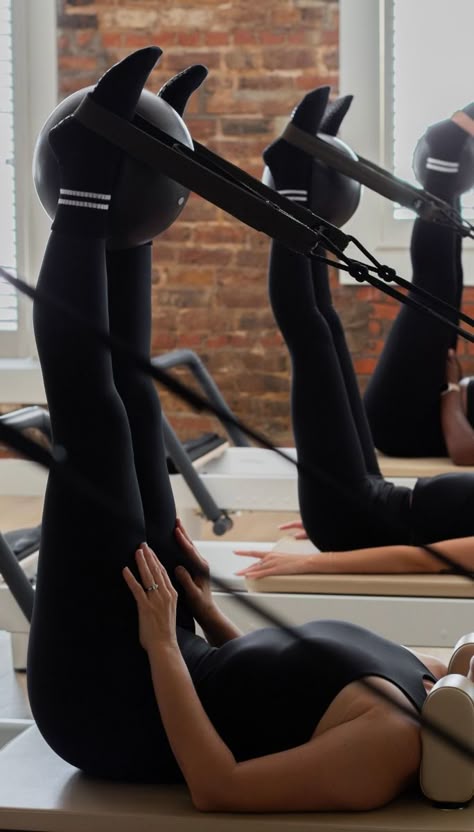
A good discipline for working on posture and improving respiratory function is the Pilates method. With it, we will strengthen the muscles of the centre and we will always try to do a good costal breathing with the aim of freeing and making our rib cage more flexible. It will favour the movement of the entire spine and will allow us to position the shoulder girdle, balancing the position of the shoulders with the neck, removing tension from them.
Breathing will help to expand the ribs while lengthening the spine, taking pressure off the intervertebral discs, thus improving posture.
When to Consider Advanced or Invasive Techniques?
In patients where lung function needs to be improved due to acute or chronic respiratory failure, and who require artificial ventilation through an endotracheal tube or tracheostomy, invasive mechanical ventilation is used to optimise ventilation and prevent respiratory complications by restoring normal lung function.
In Intensive Care Units (ICU) it will also be used when patients have undergone thoracic or abdominal surgery.
In the intubated patient, suctioning of secretions, via a catheter connected to the ventilator, is also an effective method for the prevention of respiratory complications and is essential to remove retained pulmonary secretions from the central airways.
Additional Benefits of Respiratory Physiotherapy
The main benefits of respiratory physiotherapy include:
-Greater lung expansion is achieved, increasing ventilation and respiratory capacity.
-Release of secretions from the lung and clearing of the airways.
-Strengthens the respiratory muscles
-Improves the elasticity of the rib cage and prevents chest deformities.
-It controls blood pressure and improves blood oxygen levels by facilitating its delivery throughout the body.
-Improves gas exchange
-Prevents respiratory complications
-Reduction of hospitalisation time.
-Combats shortness of breath and reduces feelings of fatigue
-Improves exercise tolerance
-Reduces pain in areas such as the lumbar, back and neck.
Promotes active self-care by the patient and the management of better respiratory health based on the advice and indications of the physiotherapist.
-Helps reduce stress and anxiety
-Improved mood and sleep quality.
Frequently Asked Questions:
How many respiratory physiotherapy sessions are needed?
The number of respiratory physiotherapy sessions will depend on the patient's specific condition, whether it is an acute or chronic treatment, the severity of the condition, adherence to treatment and the patient's response.
The physiotherapist will establish the individualised treatment plan and assess the duration of the sessions and their continuity.
Can I do breathing exercises at home?
Of course it is. Respiratory physiotherapy should not be limited only to treatment in a clinic. The physiotherapist will recommend the exercises that will benefit you the most and will give you the necessary guidelines to carry them out effectively, safely and with guarantees.
With them:
-You will exercise breathing control with techniques such as diaphragmatic breathing.
-You will train your inspiratory muscles to increase strength and endurance.
-You will learn bronchial hygiene techniques to mobilise and expel secretions.
-Incorporate other moderate physical activities that promote respiratory and cardiovascular health.
Does respiratory physiotherapy work for healthy people?
Respiratory physiotherapy, to a large extent, is indicated for a wide variety of patients with specific conditions and needs, such as patients with chronic or recurrent respiratory diseases, post-surgical patients, or patients with muscular weakness caused by neurological or traumatic causes. But this branch of physiotherapy also helps us to improve other functions such as cardiovascular, digestive, neurological or musculoskeletal, for example, relieving many dysfunctions, pain or discomfort caused by poor posture generated by various circumstances in our daily lives.
Proper breathing technique will improve breathing capacity and thus the function of the muscles of the spine, rib cage and abdomen, relieving tension, improving the rest of the body systems and preventing future problems.
Tell us what you thought of this article, please rate it (1 TO 5 STARS).