
A question of the wrist
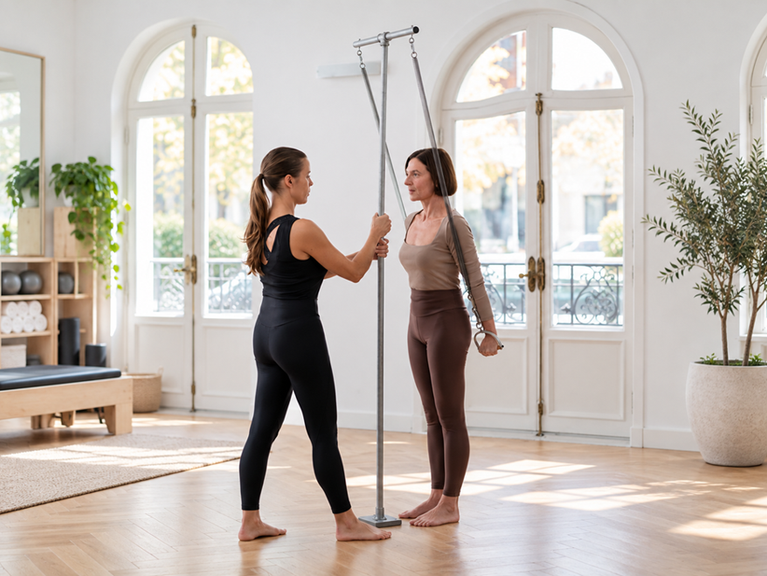
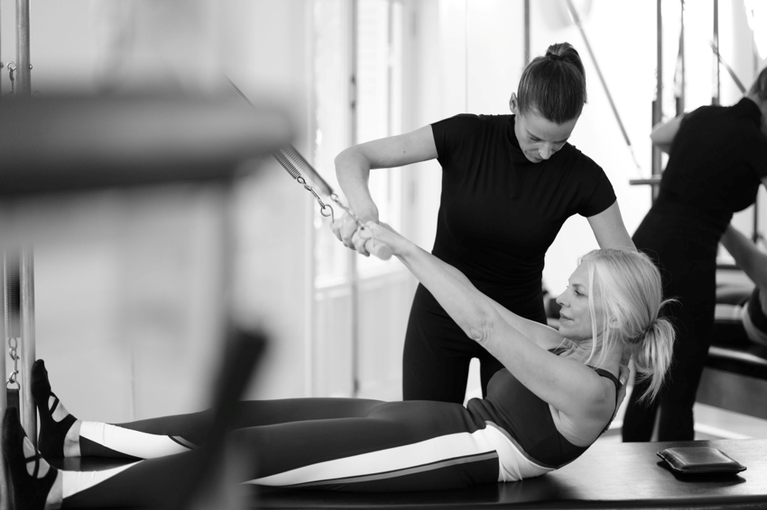
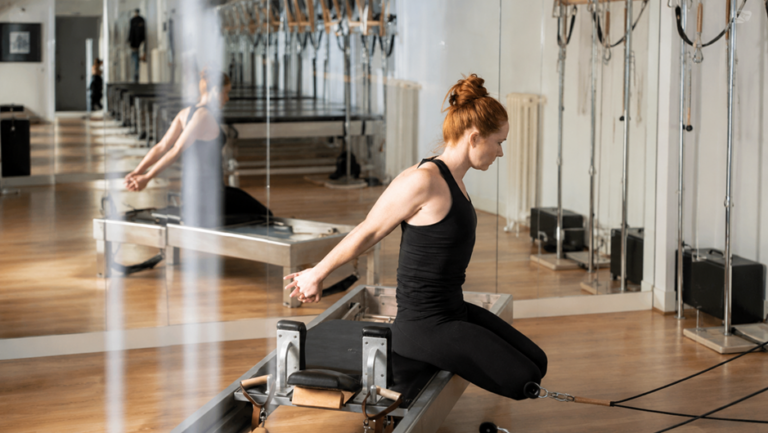
This week we focus on its common symptoms and how to care for this delicate joint. The wrist is a joint complex of small bones - carpal bones - which form a series of joints. Together with muscles, tendons and ligaments, the wrist thus acquires multiple mobility options. Wrist pain can be due to various causes. Symptoms such as pain, swelling, stiffness, low strength or tingling depend on the mechanism of damage or condition. Pain at a localised point may be due to tendinopathy or ligament sprain. If the pain arises after repetitive and/or impact movements over a long period of time, it may be due to inflammation of the tissue around the joint or even a small mechanical stress fracture. With tingling or numbness in the hand or fingers accompanied by loss of strength, there may be a nerve entrapment somewhere in the arm anterior to the wrist or in the wrist itself (carpal tunnel). If it is a dull, diffuse pain, we could be talking about possible osteoarthritis, which also causes stiffness, clicking or accumulation of fluid. Osteoarthritis can appear in the long term after unresolved pathologies that have interfered with the correct and functional movements of the wrist joint complex as a whole. In an acute period, it is recommended to apply ice, take the load and pressure off, and watch posture. Subsequently, the internal musculature and the structures that stabilise and control the joint should be worked on. And lastly, the use of resistances to strengthen the strength that has been lost. Physiotherapy is very effective in recovering the functionality of the injured or affected wrist. But joint stability and strengthening exercises are essential to acquire greater control and prevent any damage due to weakness. The original Pilates method allows us to work on the stability of the wrist and the correct work of the muscle chains to gain strength and functionality, not only in the wrist but also in the whole arm, integrating it with the rest of the body as a whole. Pilates, thanks to the development of body awareness and alignment, is also essential for learning to keep the wrist in a functional and ergonomic position, especially when we spend a lot of time at our work or day to day with keyboards or leaning on it with all our body weight.
Tell us what you thought of this article, please rate it (1 TO 5 STARS).