El suelo pélvico es un conjunto de músculos y ligamentos que recubren la cavidad pélvica, cerrando el suelo de la pelvis en forma de hamaca.
The pelvic floor is a set of muscles, ligaments, connective tissues and fascia that form the base of the abdominal cavity in the pelvic area. It is located at the bottom of the pelvis and supports the pelvic organs, such as the bladder, uterus (in women), and rectum. This set of structures has several important functions, such as:
- Organ support The pelvic floor provides support to the pelvic organs and helps to keep them in their correct position.
- Toilet training Pelvic floor muscles are essential for sphincter control, which involves the ability to retain urine and faeces and to voluntarily release them when appropriate.
- Sexual function Participates in sexual function by contributing to muscle tone and providing sensation during sexual activity.
- Stability It plays a role in the stability of the spine and pelvis, contributing to posture and body balance.
Healthy habits for looking after your pelvic floor
Adopting healthy habits can contribute to the overall well-being of the pelvic floor and prevent related problems. Here are some you can incorporate into your daily life to care for your pelvic floor:
- Maintain an upright posture, as if pulling your crown towards the ceiling. Good posture will help you balance the pressures and not overload your pelvic floor.
- Prevent constipation and straining, To do this, you'll need to drink plenty of water and eat a healthy, high-fibre diet.
- Manage your stress, doing relaxation and mindful breathing exercises, to release muscle tension and avoid overloading the pelvic floor
- Finally, it is advisable to carry out Pelvic floor exercises to help you strengthen the area. To do this, it is most advisable to work with a professional who can guide you step by step according to your specific needs.
Pelvic Floor Exercises
There are a multitude of Pelvic floor exercises that will help you take care of your pelvic health. However, at Elite Pilates, we particularly highlight 3 types that are very simple and can help you:
- Kegel exercises: Exercises involving the contraction and relaxation of the pelvic floor. To make it more practical, it's like trying to stop the flow of urine when you're urinating.
- Mindful breathing We must open the entire rib cage. This way we will keep our diaphragm relaxed, which is equal to a healthy pelvic floor.
- Core exercises Maintaining a strong abdomen will help us to release tension in the pelvic floor, as they are directly related because the abdominal viscera rest on the pelvic floor.
When should I see a pelvic floor physiotherapist?
It's always a good time to have a pelvic floor review, some of the reasons are:
- Prevention: Because whether you have symptoms or not, it's very important for addressing a pathology in a timely manner. This is because, although many pelvic floor problems are normalised, such as vaginal dryness in menopause or incontinence after childbirth... these symptoms can and should be treated so that they do not interfere with a person's quality of life.
- Pelvic floor health is a matter of habits, and there may be actions in your daily life that you are doing that are harming your pelvic floor. In assessment, they can help you improve these habits, such as how you urinate or defecate, how you breathe, and even through different pelvic floor exercises.
- If you have already been treated and your symptoms have disappeared, a review could be worthwhile to prevent those symptoms due to pelvic dysfunction from reappearing.
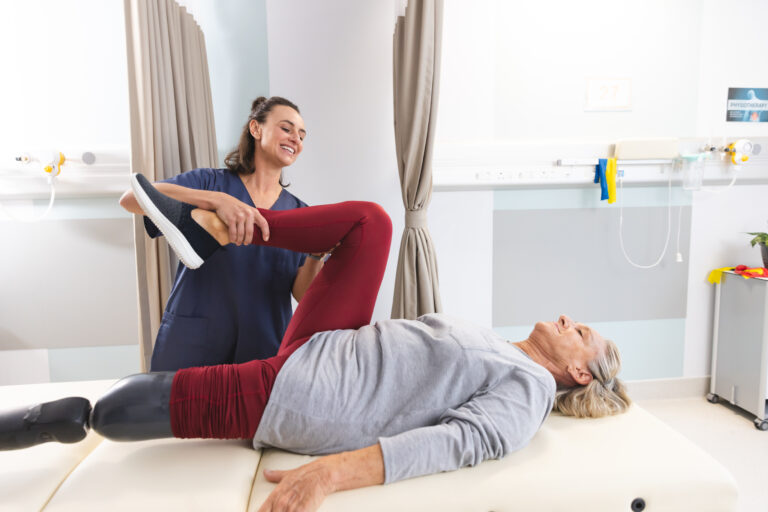
A wide range of conditions can be treated with physiotherapy, including: **Musculoskeletal conditions:** * Back pain * Neck pain * Sciatica * Arthritis (osteoarthritis and rheumatoid arthritis) * Muscle strains and sprains * Tendonitis * Bursitis * Fractures (during rehabilitation) * Sports injuries * Postural problems **Neurological conditions:** * Stroke * Parkinson's disease * Multiple sclerosis * Spinal cord injuries * Traumatic brain injuries * Cerebral palsy **Cardiorespiratory conditions:** * Chronic obstructive pulmonary disease (COPD) * Asthma * Bronchitis * Pneumonia * Cystic fibrosis * Post-surgery recovery (e.g., heart or lung surgery) **Other conditions:** * Vestibular disorders (e.g., vertigo) * Pelvic floor dysfunction * Chronic pain conditions * Lymphedema * Pre and post-natal care * Balance problems * Dizziness
From the physiotherapy Specialising in pelvic health makes it possible to treat a multitude of conditions. Thanks, among other things, to pelvic floor exercises, the following problems can be avoided:
- Any loss of urine when coughing, sneezing, laughing, climbing stairs, or lifting weights.
- A feeling of urgency and little control to get to the toilet to urinate.
- Bowel incontinence and/or wind.
- Before and during pregnancy.
- Preparation for childbirth.
- Postnatal.
- Scars (caesarean section, episiotomy, perineal tears)
- Menopause: hormonal and tissue changes occur which will affect the pelvic floor.
- Pain or impossibility in sexual relations
- Prevention and/or treatment of pelvic floor pathologies in high-impact or hyper-pressurised sports.
- Feeling of a lump in the vagina (prolapse).
- Pelvic pain.
- Endometriosis and/or painful periods.
- Abdominal diastasis.
- Any type of surgery (cancer, cosmetic, etc.) in the abdomen and/or pelvic floor.
- In men: ejaculatory dysfunction, erectile dysfunction, post-prostatectomy sequelae…
What does an initial pelvic floor treatment session involve?
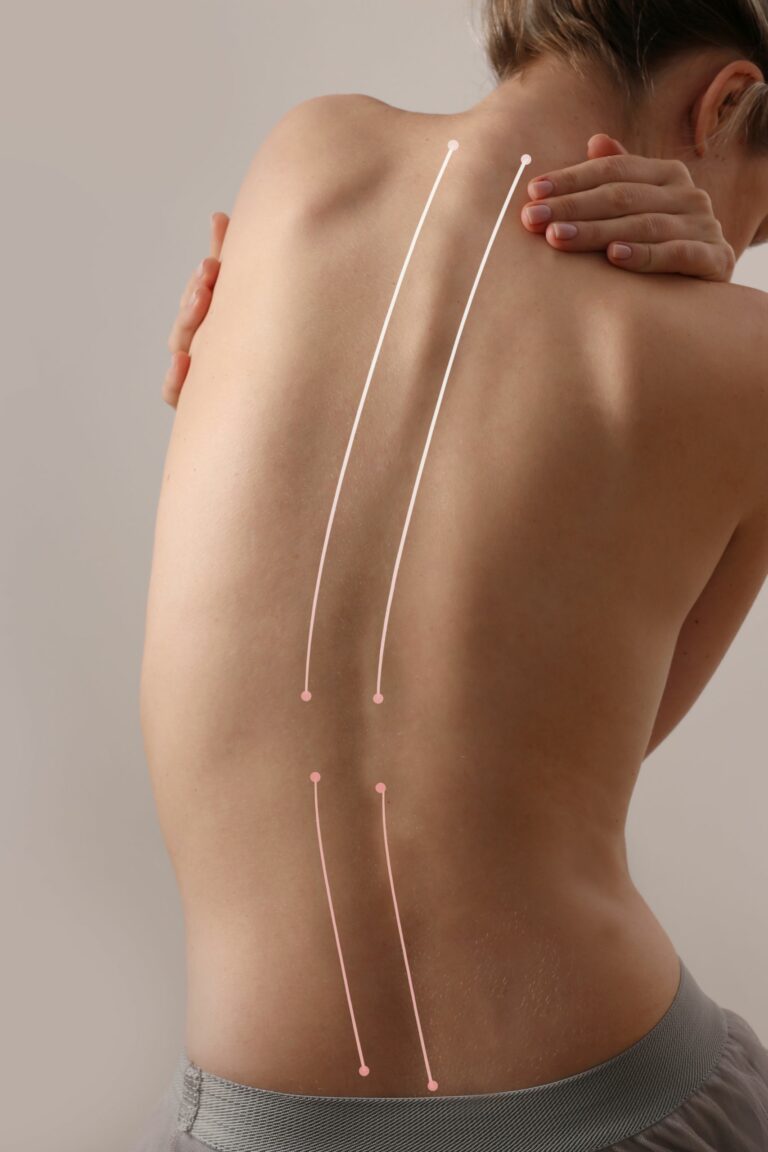
In a first pelvic floor treatment session, it is very important to carry out a Overall rating posture, spine, pelvis, abdomen, breathing, general mobility, etc., before assessing the pelvic floor. It is very important for a holistic approach to the individual.
Later we will carry out a visual assessment and see how your pelvic floor reacts to different stimuli. And, to finish, we will do an intracavitary assessment where we will observe different aspects such as:
- Your lubrication,
- The skin and mucous membranes: Colouring, scarring, lubrication…
- Reflexes, sensitivity, pain…
- Quality and control of muscle contraction
- Level of muscular strength, speed, and endurance
- Vaginal elasticity or flexibility
- Symptom or potential prolapse of the viscera.
- Muscle contractures and tension in the vaginal and anal walls.
We hope this introduction has been helpful in overcoming your fear and removing reservations about the assessment, clearing up any misconceptions about what attending a assessment entails. We strive to create an intimate and confidential environment, ensuring you feel comfortable from the outset. Information plays a crucial role in providing you with greater security and confidence.
It is as relevant to know how to contract as it is to know how to relax; the ability to relax is a fundamental requirement for carrying out internal assessment and having clear control over the area. If this skill is lacking, we work on it, even extending the process to a second or third session if necessary. There is no rush; the external assessment is carried out first, and then relaxation is addressed. The woman must be prepared, especially if there is pain or anticipated apprehension.
Tell us what you thought of this article, please rate it (1 TO 5 STARS).