Relationship between Movement and Digestive Health
In our daily lives, in order for the digestive system to perform its functions correctly and efficiently, it needs to maintain its own natural movement and rhythm which, if altered for any reason, will lead to bloating, gas, pain, nausea or even emergency bowel movements. Maintaining an exercise routine with conscious movement and controlled by a professional will help to establish and find a suitable rhythm to improve intestinal motility.
Exercise will also make the heart pump harder, bringing blood and oxygen to the muscles and viscera, including the intestine, thus promoting a balanced bacterial flora. In addition, it will also help to achieve proper respiratory function and thus reduce blood pressure, which is conducive to better digestion. If during digestion, where the body diverts more blood to the gastrointestinal tract, blood pressure becomes unbalanced, dizziness, nausea and other negative symptoms may occur.
Breathing is a vital physical function necessary for the correct functioning of all body systems. With the Pilates method, the use of conscious breathing through concentration helps us to focus our attention on the present moment and direct the air towards the costal area, giving the lungs the capacity to fill with oxygen which will favour the absorption and digestion of food. Breathing in the right way will help to reduce gas and eliminate toxins, including those in the digestive tract.
The postural pattern we acquire, often slouching in front of a computer or mobile device, will also affect the respiratory system. The rib cage will be compressed and the lungs will have more difficulty filtering the oxygen in the blood that will go to the viscera and the rest of the body. The Pilates method is an ideal discipline for improving posture thanks to the work on internal muscles, spinal mobility, alignment and muscular elasticity and strength, interfering directly and positively on all the body's systems.
Benefits of Pilates on the Gastrointestinal System
- Stimulation of intestinal transit through exercise
- Abdominal strengthening and its impact on digestion
The method, although it is a low-moderate intensity discipline, is an exercise training that makes the body work, obtaining the benefits of physical training, such as the secretion of endorphins that provide a feeling of wellbeing.
We all know that posture is important to avoid joint or muscle pain, but we are not aware of how much this postural attitude can influence our viscera. The functioning of the organs is determined by the position of our skeleton, the alignment of its joints and the capacity of the musculature to move and position them.
One of the areas of the body where the digestive system performs much of its function is the abdominal area. It is important that, for efficient functioning, the musculature that surrounds this area, i.e. the core and deep abdominal, lumbar and pelvic muscles, have strength, elasticity and endurance. Together they form what we in Pilates call the Powerhouse or “energy centre”. Thus, through the strength of this area, the organs and viscera will be protected, supported and in their correct position, boosting, in turn, the internal circulation, stimulating the peristaltic movements of the digestive tract, improving its transit.
Thus, when we breathe while doing the exercises, the air will not go to the abdomen but to the thoracic area, making the ribs move through the intercostal muscles, which contributes to working the dorsal spine at the same time, providing mobility, flexibility and strength in its muscles, improving posture and stimulating the organs inside the thoracic and abdominal cavity for their better function.
Pilates Exercises for Digestion
Gentle movements to stimulate intestinal transit
Core strength work, spinal work and twisting and rotational movements of both the abdominal area and rib cage will give mobility and exert forces involving rotational movements that massage the digestive system, activating and stimulating its function. They potentially improve circulation and benefit the digestion processes.
Seated lateral stretches and lateral bending improve mobility and flexibility of the spine and ribs, engaging the core to support digestion.
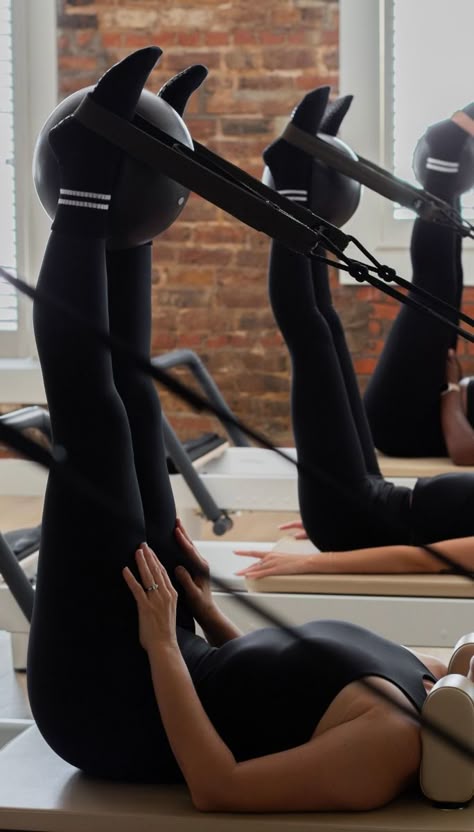
Exercises such as the “roll up” or “rolling like a ball” on the mat use core strength to lift and mobilise the spine, contributing to the massage of internal organs, just like the “stomach massage” on the reformer.
Abdominal strengthening for visceral control
In many cases, the weakness of the internal musculature, particularly of the powerhouse, in addition to causing musculoskeletal problems, it can lead to what is known as a Ptosis visceral. It is a descent of viscera into the abdomino-pelvic cavity as a consequence of the weakness of the abdominal wall, pelvic floor and diaphragm that will favour the dysfunction of the organs due to their loss of mobility and function.
The most common is the Ptosis This can also cause problems in the liver, intestine and genitourinary system, altering their functions. It is accompanied by abdominal swelling or distension as a consequence of this bad posture.
Pilates in Cases of Constipation or Slow Digestion
The Pilates method can be very beneficial in cases of slow digestion and constipation, as it enhances the Powerhouse, giving stability and support to the internal organs, and improving circulation, which facilitates digestion, bowel movements, and peristalsis, favouring evacuation. It will help to release gas, reduce bloating and promote a more regular intestinal transit.
Specific exercises to relieve abdominal tension
On a daily basis we carry out activities that tend to tense muscles such as hip flexors, lumbar muscles, or respiratory muscles, which causes the abdominal area to be compressed and, with it, the digestive system.
In the Pilates Method, exercises are performed that help not only to strengthen but also to lengthen and stretch the muscle chains that interfere with the proper functioning of the abdominal cavity, relieving unnecessary tension and providing an effect of elevation, support and massage of the internal organs, favouring their function and relieving intestinal symptoms such as constipation and diarrhoea.
In this sense, the exercises of the method will be specifically good where the objectives focus on working on breathing, articulating the spine, including twisting movements of the waist, stretching the anterior chain, mobilising the hips and pelvis and deepening the energy centre, maintaining its elevation, all in order to preserve the correct mobility of the spine in relation to the pelvis and hips and to maintain a functional balance within the abdominal cavity.
Pilates and the Enteric Nervous System
The enteric nervous system is an autonomic network of neurons, located in the walls of the gastrointestinal tract, which directly controls digestive functions such as motility, secretion and absorption. It communicates with the central nervous system, which can influence emotions, stress and pain. But it is also able to function independently of the central nervous system, and is therefore considered a “second brain”.
The Pilates method is designed to use maximum concentration on each part of the body and its movement, which helps to focus our mind on our body by concentrating on the function it is performing at that moment, thus reducing cortisol levels, which are responsible for stress and anxiety. High cortisol levels condition, and can alter, the functioning of the digestive system causing constipation, diarrhoea, irritable bowel syndrome, feelings of hunger or even loss of appetite and abdominal bloating, as well as affecting sleep and rest.
When and How to Practice Pilates for Digestive Benefits
Having a training routine with the Pilates method that covers a couple of days a week is the ideal way to maintain a good physical and mental state in all aspects. Pilates is also a way of avoiding a sedentary lifestyle and is suitable for all ages and physical conditions.
It is an ideal, low-moderate impact workout that allows you to work the body and mind in an integral way and in its entirety. It will help to achieve a great power of concentration along with breathing, focusing the mind and reducing the release of cortisol, the stress hormone, promoting rest and digestion.
Although the method is safe for most people, we must take into account personal circumstances and characteristics and it is advisable to modify or even omit exercises where the intensity increases, as problems such as nausea, stomach discomfort or diarrhoea may be experienced.
It is also recommended that the sessions are individual and personalised, in order to be able to establish a session adapted and indicated to get more performance and achieve more specific and efficient objectives.
Other Digestive Benefits of Pilates
We can consider many other benefits for maintaining and improving digestive health:
-Helps to improve intestinal transit and the expulsion of gas, favouring better digestion.
-Helps reduce bloating and abdominal pain.
-It enhances the work of breathing, improving its capacity and, with it, the blood circulation and gas exchanges that will go to the tissues.
-It works on the alignment of the spine, its mobility and conservation of physiological curves, improving the disposition and functioning of the thoracic and abdominal cavity.
-By strengthening the abdominal cavity, better support, protection and function of the viscera is achieved.
-Strengthens the internal musculature that helps to achieve and maintain better posture, favouring the function of all systems.
-It helps release endorphins, which have a positive effect on mood and stress reduction, both of which influence digestive function.
-Intervene to achieve better sleep
-Improves quality of life by reducing symptoms and allowing them to perform physical activities more comfortably.
Frequently Asked Questions:
What type of Pilates is best for improving digestion?
When performing an exercise method such as Pilates, it is important to carry out a complete workout with apparatus and mats, adapted to the person and taking into account their characteristics and needs, as well as their state of health.
The body will recover its postural balance, favouring the space of the internal organs, both in the thoracic and abdominal cavity, avoiding shallow breathing and training deep breathing which, like a massage, will stimulate the secretion of the stomach, improving digestion.
How long does it take to notice the digestive improvement with Pilates?
The Pilates method is designed to make the body work as efficiently as possible from the first moment of its practice. Any function or body system will notice benefits in the short term, but it is good to maintain consistency and respect routine and rest times, and thus be able to maintain that improvement in the long term.
Gradually, the core will gain strength and endurance. The spine will gain mobility, stability and flexibility, and the alignment and position of the joints will improve posture and the position of the viscera in the abdominal cavity, which will significantly improve the digestion process.
Can I do Pilates if I have irritable bowel problems?
Irritable bowel syndrome can present in different patterns and suffer, to a greater or lesser extent and in isolation or in combination, from symptoms such as constant diarrhoea, frequent constipation, abdominal pain, bloating, flatulence and discomfort.
Physical exercise can be beneficial for people with irritable bowel syndrome, improving symptoms and general well-being, but it is important to consider the intensity and type of exercise, as excessive or high intensity exercise can worsen symptoms.
That is why the Pilates method is ideal for these cases as it is a low-moderate intensity training and has the possibility of adapting to the individual, avoiding exercises that may be harmful and modifying others that are beneficial but require some care. In this respect, it is also important to be instructed by a qualified health professional.
Tell us what you thought of this article, please rate it (1 TO 5 STARS).