Lower back pain has become one of the most common medical problems. Currently, sciatica is one of the main causes of incapacity for work in Spain, with around 1,000 patients treated each year and the leading cause of physical medicine and rehabilitation according to data from the INSS (National Institute of Social Health).
Sciatica, also known as sciatica, lumbosciatica or lumbosacral radiculopathy, is a syndrome characterised by pain that radiates from the buttock, down the back of the thigh along the path of the sciatic nerve and can reach the knee or even the foot.
It is important to note that sciatica is not a disease as such, but a very common symptom of a variety of other medical conditions. It is estimated that between 40-50% of the population will experience this pain on at least one occasion in their lifetime.
How does it manifest itself?
The symptoms that we can find when suffering from sciatica are multiple, among them:
Sharp, stabbing pain which may appear abruptly or gradually accompanied or not by low back pain.
Pain that worsens with movement, e.g. elevation of the outstretched leg above 60° or less, but which improves with relative rest.
Radiating pain extending from the lumbar region, through the gluteal region, back of the thigh with possible extension into the leg and foot.
Alterations in sensitivity o Postural dysaesthesias such as: burning sensation, numbness, tingling or tingling in the back and inner thigh and leg, outer edge and dorsum of the foot.
Muscle weakness in the affected leg. Symptoms are usually felt on only one side of the body.
In very severe cases of sciatica, the following may occur decreased reflexes and atrophy of leg muscle tissue.
Why does sciatica usually occur?
Usually, the most common causes of sciatica pain are due to the following:
Protusions or herniated discs: mainly at the L4- L5-S1 level. It occurs when the fluid centre of the disc (called the nucleus pulposus) protrudes outwards into the spinal canal and causes inflammation of the surrounding tissues which may in turn cause further compression of the nerve root, causing sciatica.
Arthrosis or degeneration of a vertebral disc: With age, the disc wears down, reducing the intervertebral space, which can lead to nerve compression.
Spinal narrowing or stenosis: the space through which the spinal cord passes is reduced and compressed due to: bone spurs, spondylolisthesis (deviation of one vertebra forward over another), inflammation, or herniated discs that decrease the space available for the spinal cord, which pinches and irritates the nerves in the spinal cord where the sciatic nerves run.
Pyramidal syndrome or Pseudociatica: a shortening and spasm of the pyramidal muscle located at the back of the buttock causes the sciatic nerve to thicken and irritate as it passes through the hip, causing symptoms similar to nerve compression.
Occurrence of trigger points and muscle contractures in the quadratus lumborum, gluteus medius, gluteus minimus, and hip rotators generate referred pain and symptomatology similar to sciatica.
Other causes less frequent than the above but also related to this condition are:
Tumours or infections, Spinal cord injuries such as fractures, cysts, repetitive microtrauma from sports or work (falls or handling excessive weight).
Sciatica of Visceral origin: there are visceral, thoracic, abdominal or pelvic injuries such as renal colic, gynaecological disorders and diseases of the intestine and colon such as Crohn's disease which can cause pain referred to the lumbar spine or even radiating to the lower limb, such as sciatica.
Predisposing back conditions: hyperlordosis, scoliosis, or with narrow spinal canals.
Pregnancy, as a result of the uterus pressing on the sciatic nerve, and/or muscle tension or as a consequence of vertebral compression from carrying the extra weight of the foetus, and postural changes inherent in pregnancy.
Bad Habits: sitting on the wallet placed in the back pocket of the trousers, standing for prolonged periods of time every day or adopting improper sitting postures, the use of tool belts that hang around the hips and cause significant misalignment of the vertebrae, overweight, sedentary lifestyle, stress, improper lifting, as well as the use of very high heels.
How is it diagnosed?
Questioning and clinical assessment of symptoms, strength, reflexes and sensation are usually sufficient to diagnose sciatica.
Only if a neurological deficit is suspected or if symptoms persist for > 6 weeks with controlled treatment, imaging studies by Magnetic Resonance Imaging (MRI) and CT and electrodiagnostic studies by electromyogram (EMG) should be performed to assess possible nerve conduction involvement.
What to do with sciatica?
70% of cases of sciatica evolve favourably and with complete resolution of symptoms within 4-6 weeks of onset. Therefore, the treatment of choice will be conservative in the majority of cases, where self-care measures will be prescribed, such as:
Modification of our usual activity and relative rest by avoiding positions that increase intradiscal pressure such as: prolonged standing, sitting on surfaces that are too soft and low or bending over, etc.
In case of severe pain take painkillers and/or non-steroidal anti-inflammatory drugs (paracetamol, ibuprofen, naproxen etc.) always prescribed by the doctor for a short period of time, maximum one week.
In addition, in order to gradually resume normal activity, it will be essential to seek physiotherapy, osteopathy and/or manual therapy treatments, as they will play a very important role in the recovery of those people who continue with mild or moderate pain, improving their symptoms.
Only in severe cases, with pain that does not respond after 4-8 weeks of controlled treatment, with neurological deterioration or recurrence of sciatic symptoms that interfere with daily activity (more than 3 in a year) will surgical treatment be considered.
Finally, some tips and recommendations that can help you relieve and prevent back pain are:
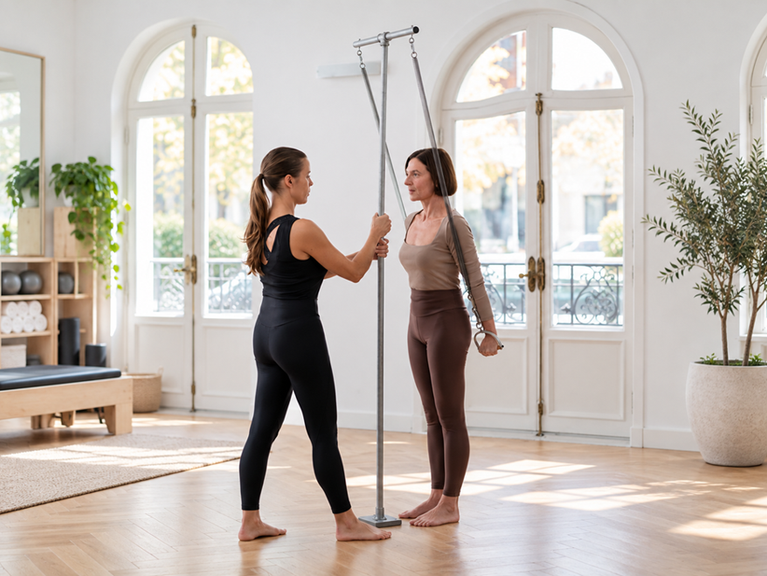
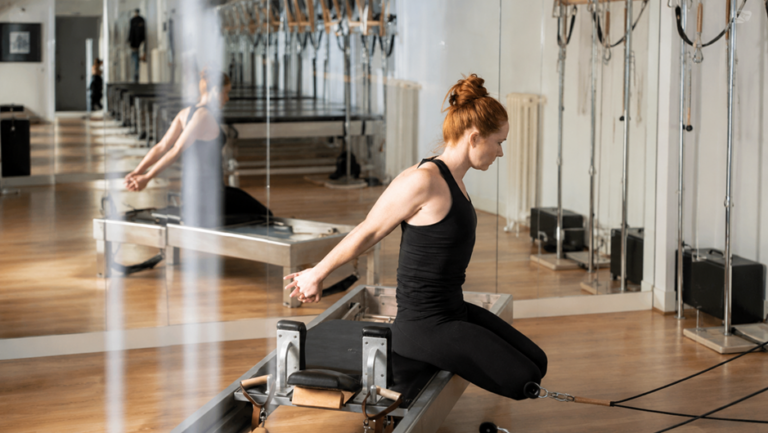
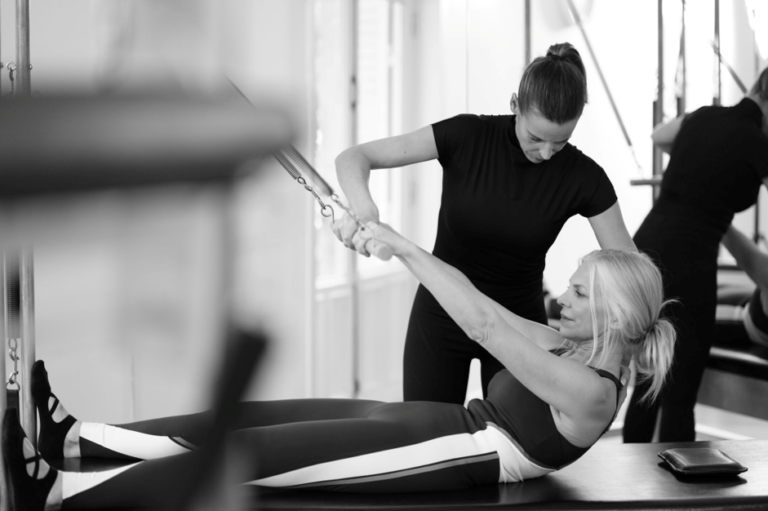
Avoid a sedentary lifestyle by regularly practising sports and controlled physical activities that strengthen and stretch the muscles, such as Pilates, Yoga and swimming, as these improve the postural hygiene of the spine, making it more flexible and increasing the strength of the lumbar and abdominal muscles to maintain a good general physical tone.
Perform at least once a day a programme of low-impact aerobic and strengthening exercises, as well as stretching for the muscles of the legs, abdomen and spine, especially after work, which is often repetitive and tiring for our body structures.
We are what we eat, so it is important to take care of our weight and diet, trying to ensure that it is balanced and rich in fruit, vegetables and pulses. Hydrate properly and take in a good dose of vitamins and minerals, reducing processed foods and foods with a high salt content.
Maintain Good Body Posture:
- Avoid making great efforts when picking up and lifting weights and objects. Do not bend over with your back bent, but bend your knees with your back straight. Try to lift them from a height close to the hips.
- Sleep on flexible but firm mattresses, so that the spine is always in an upright position. Lie on the side opposite to the pain, placing a pillow between the knees to prevent further stretching of the sciatic nerve.
- Sit in an upright position with the lower back always supported by the backrest or a cushion rolled up in the small of the back. Knees and hips should be at the same level and feet should be flat on the floor, with the help of a stool if necessary.
- Wear appropriate footwear: avoid wearing heels of more than 6 cm or shoes that are too low and flat.
Tell us what you thought of this article, please rate it (1 TO 5 STARS).