
In the complex world of pain management and muscle recovery, myofascial trigger points present themselves as a common source of chronic discomfort that affects many people in their daily lives. They not only cause severe pain and restriction of movement, but can also be the source of a range of symptoms that significantly impair quality of life. Fortunately, physiotherapy offers an arsenal of effective techniques to alleviate and potentially eliminate these discomforts. This article explores in depth what trigger points are, how they form and most importantly, how physiotherapy can be your best ally in overcoming pain and regaining full function. From detection to modern treatment techniques, we invite you to discover how to face this health challenge with the support of expert professionals.
What are trigger points?
A myofascial trigger point is a trigger point located in a hypersensitive nodule within a tense musculoskeletal band, which generates local pain on pressure and referred pain following a specific pattern always in the same area of the muscle in which it is located. It can be active, generating local or spontaneous referred pain without the need for pressure on the point. It can also produce dysfunction through weakness and restriction of movement or it can be latent, generating pain only when pressed and without dysfunction. In addition, a trigger point can cause motor dysfunction, stiffness, muscle fatigue and heaviness, dizziness or headache.
What are the causes of their appearance?
They arise from an alteration in the muscle unit due to permanent activation, which leads to changes in it, maintaining a continuous contraction and generating pain. The most frequent causes include the following. 1. Acute muscular overload or trauma. 2. Muscle fatigue due to repeated movements or sustained contractions. 3. Activation of other trigger points in the area. 4. Emotional stress. 5.Visceral factors that activate areas where reflex pain is present. 6. Joint disorders.
How to reduce trigger points?
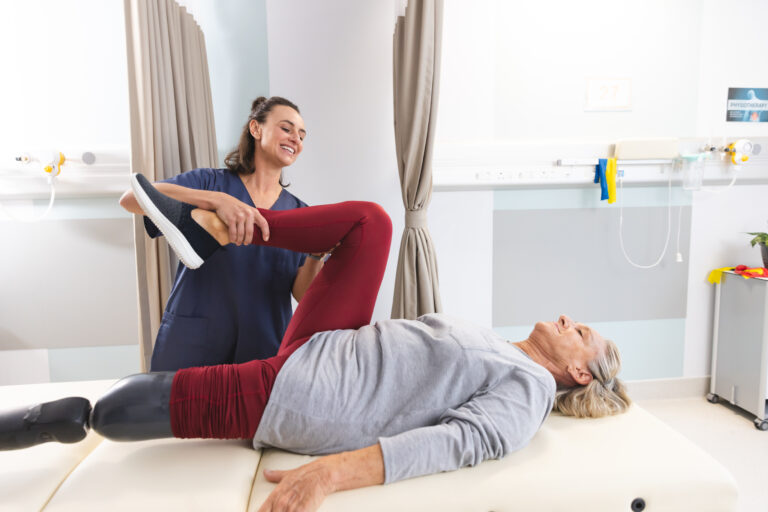
Physiotherapy is the most effective tool for treating trigger points using manual therapy techniques such as: acupressure, massage with stretching, post-symptomatic relaxation, cryotherapy with stretching or dry needling, the latter being one of the most effective. All these treatments are aimed at deactivating the trigger point by relaxing the musculature and thus reducing pain. The nervous system will initiate a regeneration process thanks to the reactivation of the blood flow, the arrival of nutrients and the drainage of waste substances in the area.
If you would like us to help you with any kind of discomfort, do not hesitate to contact us. In our clinic in physiotherapy in Madrid, we are ready to accompany you. We will be happy to help you.
Tel. 91 4357838. 628 887552. contacto@elitepilates.net
Tell us what you thought of this article, please rate it (1 TO 5 STARS).